 By Owen Palmer
Updated November 2026
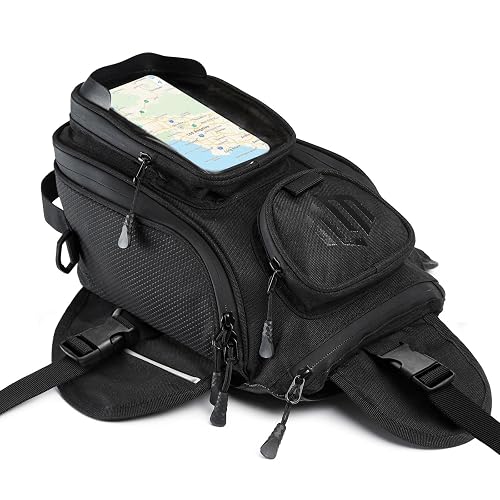
A cooler bag for bike use keeps food and drinks cold during commutes, group rides and day trips. The right one fits your bike’s mounting points, holds enough for your ride length and insulates well for the temperatures you actually face. This guide walks you through how to match those factors to your riding style so you can pick a bag that stays secure and keeps its contents cold.
Step 1: Decide Where the Bag Will Mount
Mounting position controls how much weight you carry and how the bag handles at speed. Most cooler bags attach to one of three places on the bike.
Shopping for one? See our guide: 5 Best Bags for Foldable Bike Options for Commuters and Travelers (2026).
- Rear rack: Usually the most stable option. A rear rack keeps weight low and centered, and it works well for heavier loads. Check that the bag’s straps or hooks match your rack’s rail width.
- Front rack or handlebars: Easy to reach while riding, but it changes steering feel. Keep the load light and make sure nothing touches your brake cables or lights.
- Frame or saddle area: Suitable for small insulated pouches. Larger bags here can rub your legs or interfere with pedaling.
If you already use a rack, read the notes on Rear Bag for Bike: How to Choose and Mount the Right One (2026) to confirm how rear mounts handle weight. If you want more background, see Best 15 Bike Frame Bags for Cycling and Bikepacking.
Step 2: Match Capacity to Your Ride Length
Capacity drives both comfort and cooling performance. A bag that is too big leaves room for contents to shift and warm air to circulate. A bag that is too small forces you to pack tightly, which can crush ice packs.
| Ride type | Typical needs | Suggested capacity range |
|---|---|---|
| Short commute | Lunch, one drink | Small, roughly 5 to 10 liters |
| Group or social ride | Several drinks, snacks | Medium, roughly 10 to 20 liters |
| Full-day trip | Meals, multiple drinks, ice | Large, 20 liters or more |
Manufacturers list capacity in liters, so compare that number rather than the bag’s outer dimensions.
Step 3: Check the Insulation and Seal
Insulation determines how long contents stay cold. Look for closed-cell foam or insulated liners, and check whether the zipper or roll-top closure seals tightly. A bag with a gap at the closure loses cold air quickly, even with good walls.
Pre-chill the bag overnight if you can, and pack it with frozen gel packs rather than loose ice. Frozen packs melt more slowly and do not leak meltwater onto your gear.
Step 4: Confirm Security and Weather Protection
A cooler bag sits in the open, so it needs to stay attached over rough pavement and resist rain. Check these points:
- Straps or hooks grip the rack or frame without slipping when you bump a curb.
- The outer fabric is water-resistant, and the closure has a flap or cover over the zipper.
- A quick-release or lockable feature exists if you stop at cafes or shops.
Test the mount at home by loading the bag and shaking the bike gently before you ride. Tighten anything that moves.
Common Mistakes to Avoid
- Overloading the bag, which strains the mount and squeezes the insulation.
- Packing warm food with cold packs, which warms everything faster.
- Ignoring tire and chain clearance on rear mounts.
- Leaving perishable food in a bag through a long, hot stop.
- Skipping a test ride, which hides wobble or rub points until you are on the road.
Recommended Gear
- Frozen gel packs: Keep the interior cold longer than loose ice and avoid meltwater leaks. View on Amazon
- Bungee or cam straps: Useful for securing a bag to a rack that lacks built-in hooks. View on Amazon
- Insulated liner bags: Add a second layer of cold protection inside a soft cooler. View on Amazon
FAQ
Can I use a regular cooler bag on my bike?
Many soft coolers work on bikes, but you need a mounting method that fits your rack or frame. Check that the bag has straps or can be secured with bungee cords, and confirm it does not swing into your wheels.
How long will food stay cold in a bike cooler bag?
Results depend on insulation quality, outside temperature and how full the bag is. Plan on a few hours with frozen packs and check contents before eating, especially meat and dairy. Food safety guidance from your local health authority applies.
Should the cooler bag go on the front or back of the bike?
A rear rack is usually more stable for heavier loads. Front mounting is handy for reaching items while riding, but keep the weight light so steering stays predictable.
Conclusion
Start by choosing a mounting position that suits your bike, then match capacity to your ride length. Check insulation, closure seal and security before you commit. A quick test ride with a loaded bag will confirm whether your setup is ready.
Related reading
- Wrapping Bag for Bike: Do You Need One and How to Pick It
- Which BMX Bike Travel Bag Fits Your Bike and Trip? 5 Key Checks
- Uber Eats Bike Bag: How to Choose and Set Up One for Delivery Riding
Ready to choose one?
About Owen Palmer
Owen Palmer is part of our editorial team and reviews and edits our bike accessories guides, checking product details against manufacturer specifications and owner feedback.