 By Owen Palmer
Updated November 2026
A shopping bag for bike errands is one of the most practical accessories you can add to a commuter or city bike. This guide walks you through the key checks: fit, mounting, capacity, weather protection and stability. By the end, you will know which type suits your bike and how to load it so your groceries arrive home intact.
Step 1: Decide Where the Bag Will Mount
Your bike’s mounting points determine which style of shopping bag will work. Most options fall into three groups: rear rack bags, front basket or handlebar bags, and frame-mounted panniers. Check your bike before shopping for any of them.
Shopping for one? See our guide: 5 Best Bags for Foldable Bike Options for Commuters and Travelers (2026).
- Rear rack: Look for a rack with a flat top deck and rails that sit around 2 to 3 inches above the tire.
- Front basket: Confirm the basket mounts to the handlebars or front rack and clears your brake levers and headlight.
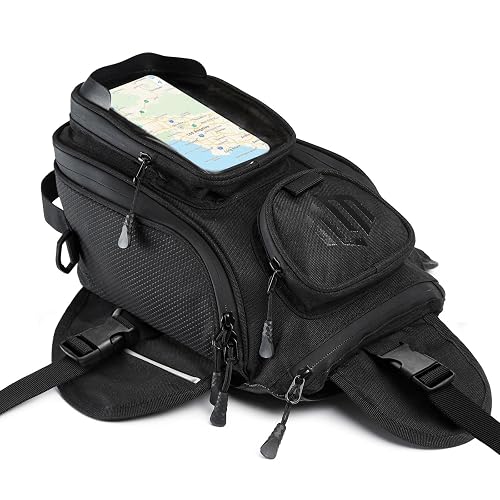
- Handlebar: Measure the handlebar width. Many bags fit standard bars, but wider flat bars may need a different strap system.
If you are unsure which mount suits you, the guide to Rear Bag for Bike: How to Choose and Mount the Right One (2026) explains how rack-mounted designs attach and where they sit.
Step 2: Check Capacity Against Your Typical Trip
Capacity is measured in liters, and manufacturers list it on the product page. A small bag around 10 to 15 liters handles a few grocery items, while 20 liters or more holds a full week of produce. Be realistic about what you usually carry. A bag that is too small gets overstuffed, and overstuffing shifts your center of gravity and rubs against the wheel.
Step 3: Confirm Stability and Weight Limits
Loaded bags pull on the rack or basket. Check the stated weight limit for the rack or bag, and load heavy items low and close to the bike’s centerline. Use the stabilizing straps most bags include, and tighten them so the bag does not swing when you turn or brake. A bag that sways can catch on the chain or the rear wheel.
Step 4: Look for Weather and Theft Protection
Water-resistant coated fabrics or a rain cover keep groceries dry in wet weather. Look for sealed seams or a roll-top closure if you ride in rain often. Some bags include a lockable or hidden zipper, which helps when you park for a few minutes. Remember that no bag is fully theft-proof, so lock your bike itself with a sturdy lock.
Quick Checklist Before You Buy
- Confirm your bike’s mounting points: rear rack, front basket or handlebars.
- Measure the rack deck or handlebar width.
- Estimate how many liters you usually carry.
- Check the stated weight limit.
- Choose water resistance based on your local weather.
Common Mistakes
- Buying a bag before measuring your rack or basket.
- Ignoring the weight limit and overloading the rack.
- Leaving straps loose, which lets the bag swing into the wheel.
- Putting heavy cans or bottles high in the bag, which makes steering less stable.
- Assuming a waterproof bag keeps items dry when the closure is left open.
Recommended Gear
A basic rack-mounted bag with straps and a rain cover is the most common setup for groceries. View on Amazon
A front basket with a quick-release mount makes it easy to remove the bag when you park. View on Amazon
A handlebar bag works well for light loads and small items on short trips. View on Amazon
FAQ
Can I use a shopping bag on any bike?
Most bikes accept some type of bag, but the right style depends on whether you have a rear rack, front basket or handlebar space. Check your mounting points before you buy.
How much weight can a bike bag hold?
Weight limits vary by product and mount, and manufacturers list them on the packaging or product page. Stay within that limit and balance the load evenly.
Are shopping bags for bikes waterproof?
Some are water-resistant and others are fully waterproof with sealed seams. Check the product description for the level of protection, and use a rain cover in heavy weather.
Conclusion
A good shopping bag for bike errands starts with matching the bag to your mounts, capacity and weather. Measure your rack or basket, confirm the weight limit and secure the straps before every ride. If you have specific fit or safety questions, a local bike shop can check your setup in person.
Related reading
- Wrapping Bag for Bike: Do You Need One and How to Pick It
- Which BMX Bike Travel Bag Fits Your Bike and Trip? 5 Key Checks
Ready to choose one?
About Owen Palmer
Owen Palmer is part of our editorial team and reviews and edits our bike accessories guides, checking product details against manufacturer specifications and owner feedback.