 By Owen Palmer
Updated November 2026
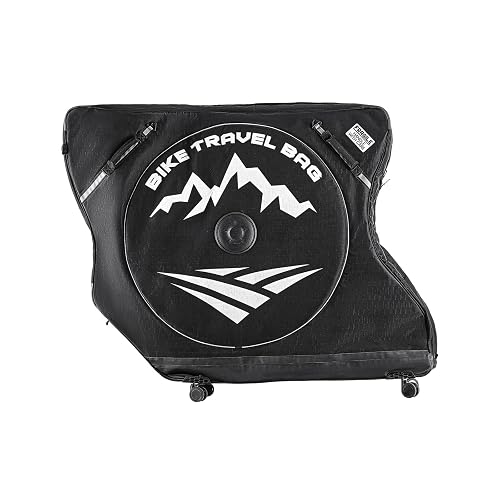
The B&W International bike bag is a dedicated travel case built to protect a bicycle while it moves through checked baggage, shipping, or the back of a car. It suits riders who fly with their own bike, travel to races or group rides, or want one padded case that keeps a frame, drivetrain, and wheels safe. It is a poor fit for daily commuters who only need a bag for groceries and a laptop, and for anyone who wants something light enough to carry up stairs every day. Use the sections below to check the fit against your bike size, your travel habits, and how much bulk you can handle.

B&W International Bike Bag
Product Overview
The B&W International bike bag belongs to a line of travel cases that B&W Int’l has offered for road, triathlon, and mountain bikes. The design centers on a structured outer shell with internal padding and a set of compartments for the wheels and the frame. The goal is to hold the bike in place during handling so it does not shift, rub, or crack the frame. Owners generally treat it as a long-term travel tool rather than an everyday carry bag, and the layout reflects that: the case is meant to be packed, closed, and left alone until the trip is over.
Most of the appeal comes from the separation between the frame and the wheels. Rather than letting everything float inside a soft sack, the case gives each part its own space, which reduces the chance of a derailleur or disc rotor pressing into the frame. Riders who have shipped bikes in plain cardboard boxes often value this extra structure. It also makes repacking easier, since each part has a defined place. Worth reading next: Dirt Bike Chest Bag Review: Features and Performance.
Key Features & Specifications
The table below lists the characteristics that the product name and widely published descriptions of this model type support. Check the current listing for exact dimensions and weight before you commit, because case sizes and included parts can change between production runs.
| Feature | What It Means for You |
|---|---|
| Bike type | Designed for road, triathlon, and mountain bikes |
| Wheel size support | Intended for bikes with wheels up to about 29 inches |
| Construction | Structured outer shell with internal padding |
| Use case | Air travel, shipping, and transport between events |
| Compartmentalization | Separate spaces for frame and wheels to limit movement |
Before buying, measure your bike with the wheels removed and compare the frame length and handlebar width to the case interior. Airlines set their own maximum case dimensions and weight limits, so confirm those with your carrier rather than relying on general guidance.
Pros & Cons
Pros
- Structured design keeps the frame and wheels separated during handling.
- Padding is intended to reduce impact damage during transit.
- Suitable for several bike categories, including road, triathlon, and mountain.
- Owners often report that it simplifies repacking for repeated trips.
- The compartment layout gives a clear, repeatable way to load the bike.
Cons
- Hard-sided travel cases are heavier and bulkier than soft bags, which adds to baggage weight.
- Storage at home takes up noticeable floor or wall space.
- Packing and unpacking takes longer than tossing a bike into a soft sleeve.
- Not designed for daily carrying or city commuting.
- Fit depends on careful measurement; a bike with a long wheelbase or wide bars may need disassembly.
Performance Analysis
Performance for a bike travel case comes down to three things: how well it protects the frame during handling, how easily it can be packed correctly, and how much it adds to the overall trip. Based on the published design and the patterns commonly described by owners, the B&W International case does well on the first point. The internal padding and structured shell are meant to absorb knocks and stop the bike from migrating inside the case. Riders who prioritize frame protection over portability usually see this as the main reason to buy.
Packing performance depends on preparation. Owners often report that the case works best when the bike is fully disassembled: pedals removed, handlebars turned or detached, seat post lowered, and wheels separated from the frame. Skipping these steps leaves more room for movement and increases the chance of contact damage. Expect the first pack to take a while, then speed up as the routine becomes familiar. Keep a small tool kit and a list of torque settings with the case so reassembly at the destination goes smoothly.
Weight and bulk are the trade-offs. A hard-sided case adds meaningful mass before the bike goes in, and its footprint can push you toward oversize or overweight fees on some carriers. Look up the airline’s current limits before the trip. If the case will be checked often, the extra weight becomes part of the cost of ownership, even though it is not a price issue in itself.
Consult a professional bike mechanic if you are unsure how to safely disassemble or reassemble your bike, especially for hydraulic brakes or electronic shifting, since improper work can cause damage or unsafe riding conditions.
Who Should Buy This Product?
This case makes the most sense for riders who fly, ship, or transport their bikes regularly and want maximum frame protection. Triathletes and road racers who travel to events with a bike that cost a lot to replace will get the most value. Mountain riders who visit trail destinations by plane may also benefit, provided their bike fits within the stated wheel size range and the case dimensions.
Skip this product if you mainly need a bag for daily commuting, short rides, or occasional errands. A soft bike bag, a wheel bag, or a trunk-style carrier will be easier to store and lighter to handle. Riders who only travel by car and do not need airline-level protection may also find a hard case more than they need.
Buying Guide
Choosing a bike travel bag comes down to a few checks. Start with your bike. Measure the wheel diameter, the frame length, and the handlebar width, then compare those numbers to the case’s listed interior dimensions and wheel size range. Leave a little room for the padding and any spare parts.
- Check the wheel size range. Confirm the case supports your wheel diameter, especially if you ride a larger mountain wheel.
- Decide between hard and soft. Hard shells protect better and resist crushing. Soft bags weigh less and fold away, but offer less defense against heavy impacts.
- Verify the airline’s limits. Find the maximum dimensions and weight for checked bags before you buy, and check for bike-specific fees.
- Look at internal structure. Dedicated compartments for the frame and wheels reduce movement. Plan to remove the wheels and pedals regardless.
- Consider storage. A hard case needs a dry, reachable home. Measure your space before ordering.
Several well-known alternatives cover different needs. The B&W Bike.Bag 2.0 is a travel bag with a hybrid ABS base and ripstop polyester body, aimed at road, triathlon, and mountain bikes up to 29 inches. It is generally lighter and more flexible than a full hard case, which may suit riders who want a compromise between protection and portability. A related read: Pink Bike Seat Bag Review: Features and Performance.

B&W Bike.Bag 2.0 Travel Bike Bag – Hybrid ABS Base and Ripstop Polyester – Road, Triathlon, Mountain Bikes up to 29 Inch – 2020 German Design Award – Air Travel
The B&W Bike Case 2.0 is the hard-shell option in the same family. It uses an ABS shell with an aluminum rim and includes frame suspension, two wheel bags, and a TSA padlock. Riders who want the most structured protection for frequent flights may find this the closer match.

B&W Bike Case 2.0 Hard Shell Bike Travel Case – ABS Shell with Aluminum Rim – Road, Triathlon, Mountain Bikes up to 29 Inch – Frame Suspension, 2 Wheel Bags, TSA Padlock
If you are also weighing options beyond this brand, reading about a BMX bike travel bag can help you think through checks that apply to any case. For a broader look at how these cases differ, see Travel Bag for Mountain Bike Review: Features and Performance and Travel Bag for Road Bike: 6 Steps to Pack and Protect Your Bike (2026).
FAQ
Will the B&W International bike bag fit a mountain bike?
The product is intended for road, triathlon, and mountain bikes, but fit depends on wheel size and frame geometry. Check that your wheels fall within the supported range and that your frame fits the interior dimensions after you remove the wheels and pedals.
Do I need to remove the wheels to pack the bike?
Most owners remove the wheels and place them in their own compartments. This reduces the chance of frame contact and makes the case easier to close. Check the listing for the intended packing method.
Is this case suitable for daily commuting?
No. The case is built for occasional transport, not carrying every day. Its bulk and weight make it a poor fit for stairs, transit, or city use.
How much does a hard case add to baggage weight?
The case itself adds significant weight before the bike goes in. Weigh the empty case and add your bike and parts, then compare the total to your airline’s checked bag limit.
Can I use this case for shipping as well as flights?
Many riders use hard cases for shipping, but confirm acceptable packaging rules with the carrier. Some services have their own requirements for bike boxes or cases.
Does the case protect against all damage?
No travel case eliminates risk. Padding and structure reduce impact damage, but rough handling can still cause problems. Remove loose accessories, secure the bike firmly, and inspect the frame on arrival.
Should I ask a professional to pack my bike?
If you are unfamiliar with disassembly, a bike shop can prepare the bike and show you the steps. This is especially helpful for hydraulic brakes and electronic drivetrains.
Before you buy: helpful guides
Related reading
- Wrapping Bag for Bike: Do You Need One and How to Pick It
- Which BMX Bike Travel Bag Fits Your Bike and Trip? 5 Key Checks
About Owen Palmer
Owen Palmer is part of our editorial team and reviews and edits our bike accessories guides, checking product details against manufacturer specifications and owner feedback.