 By Miles Sinclair
Updated November 2026

Aluminum Alloy Bicycle Pump, Portable Bike Hand Pump with Bracket, Fits Presta/Schrader/Woods Valves, Ideal for Bike & Ball Mini Bike Pump, 260PSI High Pressure for Road & Mountain Bikes
A hand pump for mountain bike use is one of those accessories that earns its place in the saddle bag the first time you get a flat three miles from the trailhead. This review looks at the Aluminum Alloy Bicycle Pump, a portable bike hand pump with a mounting bracket, Presta, Schrader and Woods valve compatibility, and a listed maximum of 260 PSI. It suits riders who want a compact, lightweight inflator for tubes and tubeless setups on road and trail bikes and who value a pump they can actually carry. It is a weaker fit for riders who mainly inflate tires at home and want a fast, stable base-mounted pump with a large gauge, or for anyone who needs to set high-volume tire pressures in one fast stroke.
Product Overview
This is a small, frame-mountable hand pump built from aluminum alloy. The listing positions it for both bikes and balls, which tells you it is a general-purpose mini pump rather than a specialist shock pump or floor pump. Its appeal is simple: it packs down small enough to ride with, and the included bracket is meant to hold it on the frame so you are not hunting for it at the side of the trail.
The listing names three valve types: Presta, Schrader and Woods. That covers most road and mountain bike tubes, although Woods valves are less common in the United States and you should confirm your valve type before you ride. The pump is marketed for road and mountain bikes, so it is aimed at riders who run a range of tire pressures across different terrain and want one pump for the job.
Mini pumps of this kind trade volume for portability. A hand pump will take longer to reach a firm pressure than a floor pump, particularly with wider mountain bike tires. That tradeoff is the central question for any buyer considering this type of pump.
Key Features & Specifications
| Feature | Detail |
|---|---|
| Body material | Aluminum alloy |
| Pump type | Portable hand pump (mini pump) |
| Maximum pressure (per listing) | 260 PSI |
| Valve compatibility | Presta, Schrader, Woods |
| Included accessory | Mounting bracket |
| Intended use | Road and mountain bikes; also listed for balls |
Manufacturers of pumps in this class generally list maximum pressure rather than typical working pressure, so treat the 260 PSI figure as an upper ceiling. Most trail tires run well below that. Check the length and weight on the product page before buying, since those dimensions matter more for frame mounting than any single headline number.
Pros & Cons
Pros
- Compact enough to carry on most rides without much bulk.
- Aluminum alloy construction generally resists dents better than thin plastic bodies.
- Covers Presta, Schrader and Woods valves, which reduces the need for adapters on mixed fleets.
- Includes a bracket for frame mounting, so it is ready to ride out of the box.
- The listed 260 PSI ceiling is more than enough for road and trail tire pressures.
Cons
Performance Analysis
Performance for a pump like this comes down to three things: how fast it moves air, how well it seals on the valve, and how comfortable it is to operate. Based on the specifications and on the general patterns owners tend to describe for mini pumps in this category, the core strength is convenience rather than speed. You can top up a tube at the trailhead, and that is the situation this pump is built for.
Owners of compact pumps often describe the sealing as the make-or-break feature. A hose head that clamps firmly onto the valve stem will hold pressure and avoid the frustrating hiss of air escaping during the stroke. Pay attention to whether the head fits both Presta and Schrader valves without fuss, since a loose fit is the most common complaint with multi-valve mini pumps.
On the trail, expect the pump to be most useful for getting a flat tube to a rideable pressure, not for setting a precise pressure from scratch. For a tubeless setup, a mini pump may struggle to seat the bead, and many riders keep a CO2 inflator or a larger floor pump for that job. The 260 PSI rating is plenty for road tires, but reaching high pressures by hand will take patience.
Compared with a shock pump, which is designed for low-pressure suspension work, a general-purpose mini pump like this is not the right tool for dialing in fork or shock pressure. Keep that distinction in mind when you compare products.
Who Should Buy This Product?
This pump suits riders who want a dependable spare for tubes on the trail and who prioritize packability. It is a good match for commuters who ride mixed road and dirt routes, for trail riders who carry a tube and tools in a saddle bag, and for anyone who wants a single compact pump that works across valve types.
Skip this pump if your main need is fast, precise inflation at home. A floor pump with a larger barrel and a clear gauge will serve you better there. Riders running tubeless wheels full time, or anyone who sets suspension pressures, should look at a dedicated tubeless-capable or shock-specific pump instead.
Buying Guide
Before you buy any hand pump for mountain bike use, check four things. First, confirm your valve type. Presta valves are narrow and need the pump head to unscrew the valve core for inflation, while Schrader valves are wider and similar to car tires. Second, think about your tire width. Wide mountain bike tires need more air volume, so expect more strokes. Third, decide how you will carry it. Frame mounting is convenient, but check that the pump length does not interfere with your water bottle or frame bag. Fourth, consider whether you need a gauge. A pump with a visible gauge helps you reach a consistent pressure, while a gauge-less design leaves you guessing.
For a mini pump that covers similar ground, these alternatives are worth comparing:
- Bicycle Pump Mini Bike Pump – Aluminum Alloy Cycle Pump for Presta & Schrader Valve: a lightweight aluminum option aimed at fast tire inflation on road and mountain bikes.
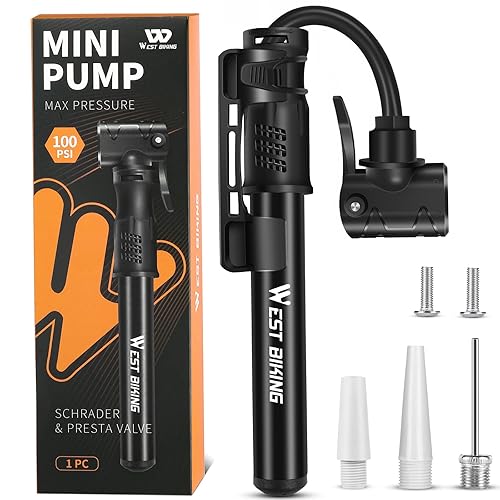
Bicycle Pump Mini Bike Pump – Aluminum Alloy Cycle Pump for Presta & Schrader Valve, Portable Lightweight Bike Tyre Pump Fast Tyre Inflation Mini Air Pump for Mountain Road Bike Ball Pump
- BV Mini Bike Pump Portable Frame Pump, Shock Pump for Bike Shock: a frame pump that also lists shock-pump capability, useful if you want one tool for tires and suspension.

BV Mini Bike Pump Portable Frame Pump, Shock Pump for Bike Shock, Air Ball Pump Inflator with Ball Pump Needles, Mini Pump Fits Presta & Schrader- Smart Valve
If you are still deciding between a mini pump and a larger option, read Floor Pump vs Hand Pump: Which Type of Bike Pump Should You Choose? as a starting point. You can also compare options in Bicycle Pump for Mountain Bike: 5 Best Picks for Trail Riders (2026) and 7 Best Mountain Bike Floor Pumps of 2026: Our Picks for Every Trail Rider. For shock-specific needs, see 6 Best High Pressure Bike Shock Pumps for Mountain Bike Suspension (2026), and for tubeless work, How to Pump Up a Tubeless Bike Tire: Floor Pump vs Hand Pump (2026) explains where a hand pump fits in.
FAQ
Can a hand pump for mountain bike tires reach trail pressure?
Yes, most mini pumps can reach the pressures used on trail tires, but it takes more strokes than a floor pump. Expect a longer session with wider tires, and pace yourself to avoid overheating the barrel.
What valve types does this pump fit?
The listing says it fits Presta, Schrader and Woods valves. Confirm your valve type before you ride, since a mismatch means you will need an adapter or a different pump.
Is a mini pump good enough for tubeless tires?
It can help top up a tubeless tire, but seating the bead often takes more volume than a mini pump delivers quickly. Many riders keep a floor pump or a CO2 inflator at home or in the pack for that job.
Does a hand pump work for suspension forks and shocks?
A general-purpose mini pump is not designed for precise suspension setup. If you need to adjust fork or shock pressure, use a shock pump built for low-pressure settings.
Where should I mount a frame pump?
Most riders mount the pump along the down tube or seat tube, positioned so it does not rub the tire or block a water bottle cage. Test the fit before a long ride.
How do I know if I’m reaching the right pressure?
Check the pressure range printed on your tire sidewall and aim within it. A separate gauge helps when the pump’s own gauge is hard to read or not very precise.
Is this pump suitable for kids’ bikes?
It can be used on kids’ bikes with Presta or Schrader valves, though lower-pressure tires may be easier to inflate with a larger pump. Adjust your expectations based on tire size and valve type.
Final Verdict
This Aluminum Alloy Bicycle Pump is a practical, portable choice for riders who want a compact hand pump that covers common valve types and mounts easily on the frame. It makes the most sense as a trailside spare for tubes and as a general-purpose inflator for road and trail bikes. It is not the right pick for fast home inflation, precise suspension tuning, or regular tubeless setup. If those needs matter to you, pair it with a floor pump or a dedicated shock pump, or choose one of the alternatives above.
Before you buy: helpful guides
- How to Use Hand Pump Bike Tires: A Step-by-Step Guide for Beginners
- How to Pump Up a Mountain Bike Tire: A Step-by-Step Guide for Trail Riders
- How to Pump Bike Tire with Hand Pump YouTube: Step-by-Step Guide
- Mountain Bike Tire Pump: How to Choose and Use One on the Trail
- Mountain Bike Pump Track and Skill Park: A Beginner's Guide to Getting Started
About Miles Sinclair
Miles Sinclair is part of our editorial team and reviews and edits our bike accessories guides, checking product details against manufacturer specifications and owner feedback.