 By Owen Palmer
Updated November 2026
A bike bag for front of bike is one of the easiest ways to carry daily essentials without a backpack. In this guide you will learn how to pick the right style for your handlebars and riding, check mounting compatibility, load it safely, and avoid the mistakes that cause steering trouble. The steps below work for commuters, casual riders and anyone running a front-mounted setup on a road, hybrid or city bike.
Step 1: Decide What the Front Bag Needs to Carry
Start with your actual load. A front bag that holds a phone, keys and a rain shell is a very different product from one meant for a laptop and lunch. Write down the three or four items you carry most often and their rough dimensions. A standard 15-inch laptop sleeve needs a bag with at least 16 inches of usable length, while a wallet, phone and multitool fit comfortably in a bag under 6 liters.
Shopping for one? See our guide: 5 Best Bags for Foldable Bike Options for Commuters and Travelers (2026).
Also consider how often you will remove the bag. If you stop at shops or cafes, a quick-release design saves time. If the bag stays on the bike all day, a larger, more stable mount matters more than easy removal.
Step 2: Choose the Right Mounting Style
Front bags attach in a few main ways, and the mounting style decides what will fit your bike. Knowing these before you shop prevents the most common purchase mistake.
Handlebar-mounted bags
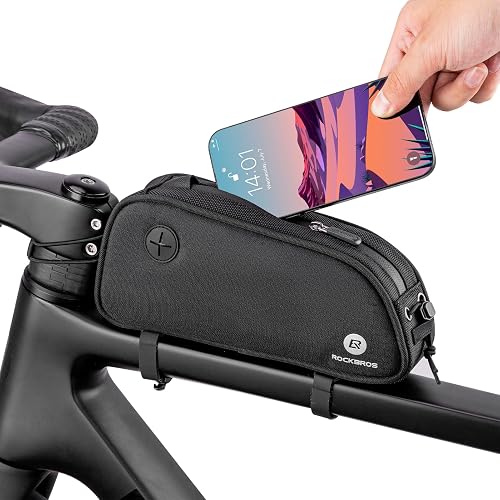
These use straps or a bracket that clamps around the handlebar, often with a top strap or a stem-level fixing point. They suit road bikes, flat-bar bikes and many hybrids. Check your bar diameter, which is usually 25.4 mm (1 inch) for flat bars and 31.8 mm (1.25 inches) for many drop-bar and riser setups. Many manufacturers specify a maximum bar diameter, so read the spec sheet.
Basket-style or rack-compatible bags
A front basket or front rack bag clips to a mounting platform rather than the bars. These carry more weight and keep the load lower. Confirm whether your fork has eyelets for a front rack, because many road forks and some suspension forks do not.
Hybrid and quick-release systems
Some bags use a bracket that stays on the bike while the bag itself clicks on and off. This setup is useful if you ride with a pannier at the back and want flexibility at the front.
Step 3: Check Clearance and Steering Impact
A front bag must never touch the brake levers, cables, bell or shifters when you turn the bars fully left and right. Turn the handlebars through their full range with the bag mounted. If it contacts anything or pinches a cable, adjust the position or pick a smaller model.
Also check the bag against your front light and any computer mount. A bag that sits too high can block the beam or the handlebar-mounted display. Leave at least a finger’s width of clearance around controls.
Step 4: Match the Weight Limit to Your Setup
Manufacturers usually list a maximum load for each bag, often between 3 and 10 kilograms depending on style. Stay well below that number, especially on lightweight road bikes with carbon bars. Heavy loads high on the bars change steering feel and can stress the cockpit. Keep heavier items low and close to the center of the bag.
A simple rule: if the bag feels heavy in your hand before you mount it, it will feel heavier at speed and on rough pavement.
Step 5: Pack the Bag for Balance and Access
How you load the bag matters as much as which bag you buy. Follow this order:
- Place flat, dense items such as a tablet or documents against the back panel, closest to your chest.
- Put heavier items like a lunch container or water bottle near the bottom and center.
- Store frequently used items such as keys, phone and wallet in the top or front pocket.
- Secure loose items with the internal strap or a small zippered pouch so nothing rattles.
- Use a rain cover or a waterproof liner if you ride in wet weather.
Step 6: Test Ride and Adjust
Before a commute, take a short loop around your neighborhood at low speed. Brake firmly, turn sharply in both directions and ride over a small bump or two. Listen for rubbing, watch for the bag shifting, and check the straps after about 5 minutes. Retighten straps and re-center the load if needed.
Quick Checklist Before You Buy and Ride
- Handlebar diameter or fork eyelets confirmed
- Full steering range tested with bag mounted
- No contact with brakes, shifters, bell or cables
- Load stays under the manufacturer’s maximum
- Front light beam and displays unobstructed
- Rain protection available for your climate
Comparing Front Bag Styles at a Glance
| Style | Best for | Typical capacity | Main limitation |
|---|---|---|---|
| Handlebar roll or harness bag | Road and flat-bar bikes | Small to medium, under about 8 liters | Can affect steering if overloaded |
| Handlebar pouch | Quick trips, phone and keys | Very small, under about 3 liters | Limited space for a laptop or lunch |
| Front rack bag | Commuting with heavier loads | Medium to large | Needs fork eyelets or a rack mount |
| Front basket | Groceries and bulky items | Large | Adds weight and wind resistance |
Common Mistakes to Avoid
- Ignoring bar diameter. A strap that fits loosely will slide during braking. Measure before you buy.
- Overloading the front. Front-heavy loads make the bike feel twitchy at low speed.
- Skipping the full-lock test. A bag that clears in a straight position may still hit a brake lever at full turn.
- Using a bag over a suspension fork without checking. Some bags rub on the fork crown or the front tire at full compression.
- Leaving straps long. Loose ends can tangle in the spokes or wheel. Trim or tuck them.
Tips for Everyday Use
Keep a small bag cover in the pocket for sudden rain. Use the bag’s reflective details or add a clip-on reflector if you ride at dusk, and pair the bag with a visible front light. If you carry electronics, place them against the back panel where they stay cushioned. Clean the mounting straps every few weeks, since grit can loosen the grip over time.
If you are still deciding between front and rear storage, read Bike Bags and Racks: How to Carry Gear on a Bike for a broader comparison. Riders who want more capacity may also compare Trunk Bag for Bike: 5 Things to Check Before You Buy (2026) for a rear-mounted option, while commuters looking for a shoulder-style alternative can read Messenger Bag on Bike: 5 Best Picks for Commuters (2026).
Recommended gear
A few accessories make a front bag easier to live with. Pick these based on your bar type and how you ride.
- A handlebar-mounted bag with a rigid frame. A stiffer frame keeps the bag from sagging into the cables. View on Amazon
- A rain cover sized for your bag. It keeps electronics and paperwork dry on wet commutes. View on Amazon
- A front rack for heavier loads. If your fork has mounting eyelets, a rack spreads the weight and frees up the handlebars. View on Amazon
FAQ
Can I put a front bag on any bike?
Most bikes can carry a front bag, but the mounting method must match your handlebars or fork. Check bar diameter, brake and shifter placement, and whether your fork has eyelets for a rack.
Will a front bag affect steering?
Yes, especially when loaded heavily. Keep weight low and centered, stay under the manufacturer’s maximum, and test the bike at low speed before a longer ride.
What is the difference between a front bag and a front basket?
A front bag is usually soft and mounts to the handlebars or a rack, while a basket is a rigid platform that holds bulkier items. Baskets carry more but add more weight and wind resistance.
Can a front bag work with a suspension fork?
Often yes, but check clearance at full compression. Some bags rub on the fork crown or the tire, so confirm the fit before you ride.
How much can a front bag hold?
Capacity varies from small pouches under about 3 liters to large racks holding several kilograms. Check the manufacturer’s listed volume and weight limit before buying.
Do front bags work on road bikes?
They can, but drop-bar setups need a bag designed for that shape. Make sure the bag clears the brake hoods and does not block your hand position.
Should I use a front bag for a laptop?
Only if the bag has a padded sleeve and the laptop stays close to your body and low in the bag. Avoid heavy laptops in small handlebar pouches, since they tend to shift and affect steering.
Conclusion
A well-chosen bike bag for front of bike gives you easy access to daily essentials and keeps your back free. Start by matching the mount to your handlebars or fork, then check clearance and steering at full lock. Load the bag low and centered, test ride before you commute, and recheck straps regularly. Reviewing your setup this way prevents most of the problems riders run into.
Related reading
- Travelling Bag for Bike: 4 Best Picks for Trips and Commuting (2026)
- Travel Bag for Road Bike: 6 Steps to Pack and Protect Your Bike (2026)
Ready to choose one?
About Owen Palmer
Owen Palmer is part of our editorial team and reviews and edits our bike accessories guides, checking product details against manufacturer specifications and owner feedback.