As an Amazon Associate I earn from qualifying purchases. This page may contain affiliate links.
The best bike lock for ebike theft protection is one that matches the value and weight of your bike, fits your daily parking situations, and carries a recognized security rating. This guide walks you through how to size up that risk, which lock types hold up best against common tools, and how to use your lock so a thief moves on to an easier target. By the end, you will have a clear shortlist method and a locking routine you can follow every time you park.
Why E-Bikes Need a Stronger Lock Than a Standard Bike
An electric bike often costs several times more than a conventional bicycle, and the battery, motor controller and display are attractive to resale markets. That means thieves are more motivated, and a flimsy cable lock that might deter someone after a commuter bike is not enough. Many owners also park an e-bike for longer stretches, such as all day at a transit station or outside a grocery store, which gives a thief more time.
Shopping for one? See our guide: 7 Best Electric Bike Locks for E-Bikes and Commuters (2026).
The general rule is to pick a lock rated for the value of the bike, not the cost of the lock. Manufacturers and independent testers often describe locks in terms of attack resistance, and the stronger the rating, the longer a thief needs to defeat it. Think in terms of time and tools: how long would it take to cut or pry through the lock with common hand tools?
Step 1: Assess Your Parking Risk
Before you shop, map out where and how long you will leave the bike. A lock that works for a quick stop inside a coffee shop may not be enough for overnight parking on a city street.
- List your three most common parking spots and rate each as low, medium or high risk based on foot traffic, lighting and visibility.
- Note the longest single parking period you expect, such as a full workday or an overnight stay.
- Check whether your bike racks are sturdy steel anchored to concrete or thin posts that could be lifted or cut.
- Consider whether you need to lock a removable battery separately, since some owners lock the battery in a bag or take it inside.
High-risk parking and long durations push you toward heavier, higher-rated locks. Low-risk, short stops allow a lighter option, but for most e-bike owners a single mid-to-high security lock is the safer baseline.
Step 2: Choose the Right Lock Type
Each lock type trades weight, convenience and security differently. Knowing these trade-offs helps you narrow the field before comparing specific products.
U-Locks (D-Locks)
A U-lock is a rigid steel shackle with a crossbar. Its compact design resists leverage attacks well, and many riders consider it the most dependable choice for e-bikes. The main drawback is weight and bulk, which makes it less comfortable to carry on the frame.
Chain Locks
Hardened steel chains with a padlock or disc-style lock offer flexibility. You can wrap the chain around a rack, a wheel and the frame at once. Chains are heavy, though, and a thick chain is needed for real protection, so look for hardened links and a sturdy lock head.
Folding Locks
Folding locks are a compromise between size and strength. They fold into a compact block and can cover a surprising area when unfolded. They suit riders who want more coverage than a cable but less bulk than a chain.
Cable Locks
Cable locks are light and cheap, but they are the easiest for thieves to cut with a compact bolt cutter. Treat a cable as a secondary lock for a wheel or accessory, not as the main security for an e-bike.
Step 3: Check the Security Rating and Build Quality
Look for a lock that lists a recognized security rating from an independent testing body or the manufacturer’s stated attack resistance. Ratings typically consider the tools a thief would use, such as hydraulic jacks, bolt cutters and angle grinders. Be cautious about marketing phrases without any rating behind them.
Inspect these build details before buying:
- Shackle diameter: thicker hardened steel resists cutting better, though it adds weight.
- Lock cylinder: a shielded cylinder resists picking and drilling.
- Locking mechanism: a double-locking or auto-locking design prevents the shackle from being pried out easily.
- Coating: a protective coating helps prevent scratches on your frame and wheels.
Step 4: Match the Lock Size to Your Bike and Racks
A lock that is too large is heavy and awkward, while one that is too small cannot reach the rack and both wheels. Measure the space you need before buying. The lock should pass through the frame and rear wheel, around a rack or fixed object, and still leave room to close the shackle without strain.
| Lock Type | Typical Weight Range | Best For | Main Limitation |
|---|---|---|---|
| U-lock | Heavier, compact shape | Daily commuting, city parking | Bulky to carry |
| Chain lock | Heaviest option | Long stays, multiple anchor points | Weight and storage |
| Folding lock | Moderate | Riders wanting flexibility | Less coverage than a chain |
| Cable lock | Lightest | Wheels and light accessories | Easy to cut, not a main lock |
Weight ranges vary a lot between models, so check the manufacturer’s listed weight for the exact product you are considering.
Step 5: Use a Locking Routine That Protects the Whole Bike
A strong lock is only as good as how you use it. Thieves often target the easiest part of the bike, so lock the frame and the rear wheel together, and secure the front wheel if it is quick-release.
- Park the bike in a well-lit spot near other bikes or pedestrian traffic, and avoid isolated posts.
- Loop the lock through the frame and a fixed rack, not just the wheel.
- Position the shackle low to the ground to reduce leverage.
- Lock the front wheel separately with a cable if it is quick-release.
- Remove the battery or lock it inside a bag if the bike will sit for hours.
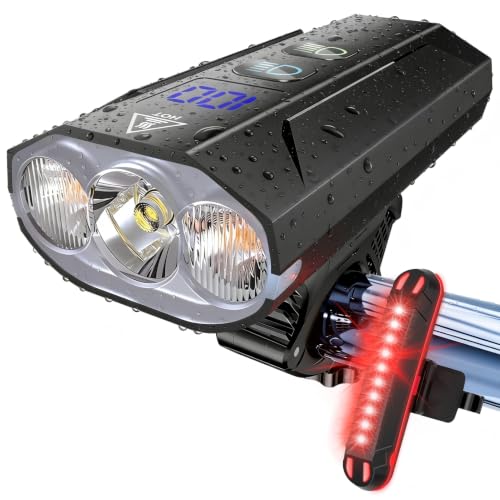
- Remove any detachable accessories such as lights or mounts, or secure them with their own lock.
For more on fastening techniques, see Bike Lock Security: How to Lock a Bike Properly. Riders who carry lights for after-dark parking may also find Bike Commuting Accessories: Lights, Locks and More useful for planning a complete setup.
Common Mistakes
- Buying a lock that is rated lower than the bike’s value, which invites an attack.
- Locking only the wheel and leaving the frame unsecured.
- Parking in dim, isolated areas because the rack looks convenient.
- Leaving the battery on the bike during long stays.
- Relying on a cable lock as the only protection.
- Ignoring the lock’s weight, which makes riders less likely to carry it every day.
Tips for Long-Term Lock Care
- Lubricate the lock cylinder periodically with a lock-specific lubricant to keep the key turning smoothly.
- Store the key separately from the bike so a thief cannot easily find a spare.
- Replace the lock if the shackle or cylinder shows damage or wear.
- Photograph the serial number and register the bike with your local police or a bike registry.
Recommended Gear
A few accessories pair well with a main lock and can make the setup more practical for everyday e-bike parking.
- Kryptonite Kryptolok Series 2 U-Lock: a widely recognized U-lock design that many riders choose as a primary lock for urban parking. View on Amazon
- Abus Granit X-Plus 540 U-Lock: a heavy-duty U-lock often recommended for high-risk areas where maximum attack resistance matters. View on Amazon
- Kryptonite KryptoFlex Cable Lock: a flexible cable useful for securing a front wheel or accessories alongside a main lock. View on Amazon
- Abus Bordo Folding Lock: a folding design that balances coverage and portability for riders who want more reach than a U-lock. View on Amazon
FAQ
What is the best type of lock for an e-bike?
For most riders, a high-security U-lock paired with a cable for the front wheel offers the best balance of strength and practicality. Heavy chain locks suit long, fixed-rack stays where coverage matters more than weight.
How strong should my e-bike lock be?
Match the lock’s security rating to the value of the bike and the risk of your parking spots. Higher-value bikes and high-risk areas call for the highest attack resistance you can comfortably carry.
Is a cable lock enough for an e-bike?
A cable lock is generally not enough as the main lock for an e-bike. Its thin material is easy to cut, so use it as a supplement for a wheel or accessory.
Should I remove the battery when parking?
Removing the battery for long stays is a common recommendation, since the battery is a valuable and easily removed component. Check your bike’s manual for the correct removal procedure.
Where should I lock my e-bike?
Choose well-lit, busy spots with sturdy, fixed racks anchored to the ground. Avoid isolated posts, thin railings and areas with little foot traffic.
Can I lock my e-bike to a bike rack with a U-lock?
Yes, as long as the rack is securely anchored and the U-lock passes through both the frame and the rack. Make sure the shackle is positioned low to limit leverage attacks.
Do I need insurance or registration as well as a lock?
A lock deters theft, but it is not a substitute for registration or insurance. Registering the serial number and checking whether your homeowner’s or renter’s policy covers e-bikes can help if the bike is stolen. For specific coverage questions, consult your insurance provider.
Conclusion
The best bike lock for ebike protection starts with an honest look at your parking risk and the value of your bike. Choose a lock type and security rating that fit those conditions, then use a routine that secures the frame, the rear wheel and any detachable parts. A strong lock used well is one of the most effective ways to keep your e-bike where you left it.