As an Amazon Associate I earn from qualifying purchases. This page may contain affiliate links.
A time trial bike helmet is built to cut drag at race speed, and that changes what you should look for compared with a standard road or commuter lid. Most riders shopping for one want a helmet that stays low and slippery in the aero position, ventilates enough for sustained效 efforts, fits securely without rattling, and meets a recognized safety standard. This list is based on manufacturer specifications, brand reputation and the patterns owners commonly describe, with the criteria explained below so you can match a helmet to your own riding.
Our Top Picks
Quick Comparison
| Product | Best for | Key feature |
|---|---|---|
| SMITH Jetstream TT Cycling Helmet | Riders wanting integrated eyewear | Built-in Chromapop goggles and Koroyd zonal coverage |
| Giro Aerohead MIPS | Road racers seeking proven aero shape | MIPS liner and aero-focused shell |
| Garneau P-09 | Riders wanting a lighter, budget-minded option | Classic time trial profile |
| Giro Aerohead MIPS II | Updated Aerohead buyers | Refined MIPS fit system |
| LAZER Tardiz 2 | Triathletes | Tail-focused aero design and ventilation |
| MET Manta MIPS | Road riders wanting aero plus airflow | Internal air channeling and sunglasses port |
| Sena U1 E-Bike Smart Helmet | Riders wanting built-in communication | Mesh 3.0 intercom |
| POC Omne Air MIPS | Gravel and mixed-surface racers | Ventilated shell with MIPS |
| ILM Smart Adult Bike Helmet | Riders who ride at dusk or in traffic | Integrated front, side and rear LED lights with turn signals |
| Fox Racing Speedframe | Mountain bikers wanting an aero-leaning trail lid | Full coverage with an off-road ventilation pattern |
SMITH Jetstream TT Cycling Helmet

Lightweight Adult Road Time Trial Bike Helmet with MIPS Technology, Zonal Koroyd Coverage & Built in Chromapop Goggles. SMITH Jetstream TT Cycling Helmet – Matte Black, Large
This helmet suits time trialists and triathletes who want goggles built into the system rather than a separate pair of glasses. Its matte black finish and large-size options are aimed at riders who prioritize a clean, low-profile aero look.
Key specs
- Lightweight road time trial design
- MIPS technology
- Zonal Koroyd coverage
- Built-in Chromapop goggles
- Size listed as Large
Pros
- Integrated goggles reduce the number of accessories to manage
- MIPS adds a rotational impact layer to the safety design
- Koroyd zones target areas where airflow matters most
Cons
- Integrated goggles add weight and complexity compared with a plain shell
- Limited ventilation compared with open-style road helmets
Giro Aerohead MIPS

Why We Like The Giro Aerohead MIPS Helmet Giro Aerohead MIPS
The Aerohead has long been a reference point in the time trial category. It fits riders who want a proven aero shape with MIPS protection and a fit system that holds the helmet steady during long efforts.
Key specs
- Aero time trial shell
- MIPS liner
- Adjustable fit system
Pros
- Well-established aero profile that many racers reference
- MIPS adds a rotational safety layer
- Stable fit during sustained efforts
Cons
- Ventilation is modest for hot-weather riding
- Fit can feel snug for riders with wider heads, so check sizing carefully
Garneau P-09

Garneau Adult P-09 Cycling Helmet, Black/Red, Small
The P-09 suits riders who want a classic time trial helmet profile without paying for the newest features. It is a sensible choice for club racers and riders building their first aero setup.
Key specs
- Time trial profile
- Available in Small in the listing
- Black/red colorway
Pros
- Straightforward, traditional aero shape
- Budget-friendly option within the category
- Simple to fit and adjust
Cons
- Fewer modern safety and ventilation features than newer models
- Limited size range in this listing
Giro Aerohead MIPS II

Giro Aerohead MIPS II Cycling Helmet
This is the updated version of the Aerohead line for riders who like the original shape but want the newer MIPS and fit refinements. It works well for road and triathlon riders building a current setup.
Key specs
- Aero time trial shell
- MIPS
- Updated generation of the Aerohead line
Pros
- Carries forward the proven aero shape
- Newer generation with refined fit
- MIPS included for rotational protection
Cons
- Aero helmets trade airflow for drag reduction, which can feel warm on climbs
- Fit should be checked against your head shape before committing
LAZER Tardiz 2

LAZER Tardiz 2 Triathalon Bike Helmet
The Tardiz 2 is aimed at triathletes who want a tail-focused aero design. Its long rear profile is meant to manage airflow in the aero position, making it a fit for riders doing Ironman-style or long-course racing.
Key specs
- Triathlon-focused aero design
- Extended rear tail
- Ventilation channels
Pros
- Aero tail designed for the triathlon position
- Ventilation helps during long efforts
- Well suited to long-distance riding
Cons
- Long tail can feel bulky to riders used to shorter shells
- Less suited to upright road riding
MET Manta MIPS

MET Manta MIPS Aero Road Bike Helmet | Lightweight Aerodynamic Cycling Helmet for Adults, Internal Air Channeling, MIPS-C2 Tech, Sunglasses Port
The Manta MIPS balances aero shaping with airflow through internal channeling. It fits road riders who want a helmet that can handle both fast group rides and occasional time trials.
Key specs
- Aerodynamic road shell
- MIPS-C2 technology
- Internal air channeling
- Sunglasses port
Pros
- Good balance of aero and ventilation
- Sunglasses port is convenient for riders who do not want goggles
- MIPS-C2 adds rotational protection
Cons
- Not as slippery as a dedicated time trial helmet
- Sizing should be checked against head measurements
Sena U1 E-Bike Smart Helmet

Sena U1 E-Bike Smart Helmet with Mesh 3.0 Intercom
This helmet is for riders who want to talk to teammates or a navigation app while riding. Its Mesh 3.0 intercom is the main reason to consider it, though it is a different category from pure aero racing helmets.
Key specs
- Built-in Mesh 3.0 intercom
- Smart helmet with integrated electronics
- Designed for e-bike and road use
Pros
- Built-in communication without extra mounting
- Useful for group riding and navigation
- Integrated electronics reduce clutter
Cons
- Electronics add weight and bulk, which works against pure aero performance
- Battery charging adds a maintenance step
POC Omne Air MIPS

Stay confident and creative with the Omne Air Mips Helmet, built for gravel adventures. POC Omne Air MIPS
The Omne Air is built for gravel and mixed-surface riders who still want a streamlined profile. It suits racers who need a helmet that can handle variable terrain and changing temperatures.
Key specs
- MIPS protection
- Ventilated shell
- Gravel and mixed-surface focus
Pros
- Good ventilation for warmer conditions
- MIPS adds rotational protection
- Versatile across road and gravel
Cons
- Not a pure time trial shape, so it trades some aero advantage
- Fit may require trying a few sizes
ILM Smart Adult Bike Helmet
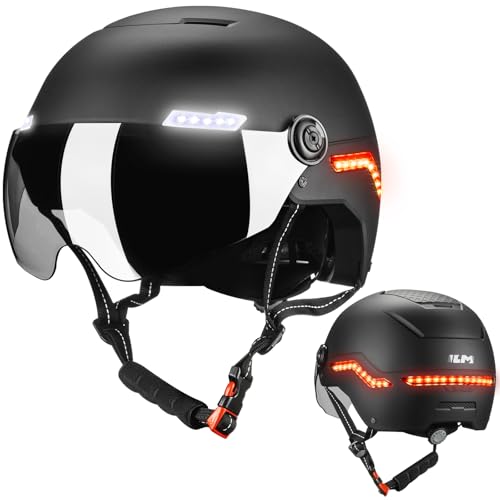
ILM Smart Adult Bike Helmet Front Side Rear LED Light Automatic G-Sensor Turn Signal & Brake Warning Road Cycling Model MB101L
This helmet is for riders who train before dawn or after dark. Its integrated front, side and rear lights with turn signals and brake warning make it a visibility-first choice, which matters for training rides on public roads.
Key specs
- Front, side and rear LED lights
- Automatic G-sensor turn signals and brake warning
- Road cycling model MB101L
Pros
- Integrated lighting increases visibility from multiple angles
- Brake and turn signals help communicate with drivers
- No separate light to mount or lose
Cons
- Electronics and lights add weight and an aero profile is not the focus
- Battery needs regular charging
Fox Racing Speedframe
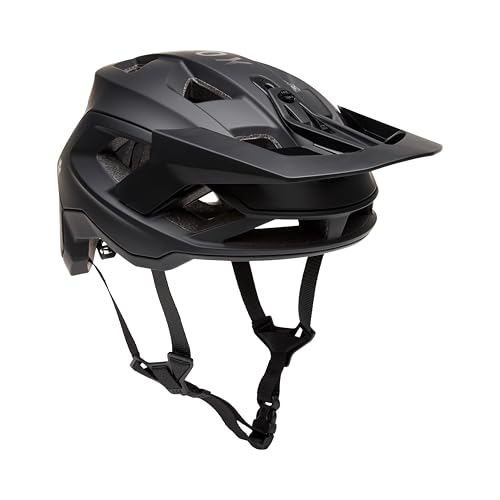
Fox Racing Unisex Speedframe Mountain Bike Helmet, Black Solid, Large | Lightweight, Mips-equipped trail helmet with adjustable fit and visor for all-mountain riding
The Speedframe is a mountain bike helmet with a streamlined look. It fits riders who race off-road and want some aero benefit without giving up trail-appropriate coverage.
Key specs
- Full-coverage mountain bike design
- Streamlined, aero-leaning shape
- Unisex fit
Pros
- Full coverage suited to off-road falls
- Streamlined look reduces drag somewhat
- Unisex sizing for a range of riders
Cons
- Not a true time trial helmet for pavement aero racing
- Trail-focused ventilation may feel different from road designs
Buying Guide
Selection Criteria
Time trial helmets are judged on three things: how they perform in the aero position, how they ventilate, and how well they protect. Aero performance depends on shell shape, tail length and how the helmet sits on your head. Ventilation matters because aero helmets trade airflow for drag reduction, and that trade-off becomes noticeable on long efforts. Protection should meet a recognized standard, and many riders prefer models with MIPS for added rotational impact management.
Important Features
- Aero shell shape: Long-tail designs are typical for triathlon and time trial use. Shorter shells suit riders who need to look up in group settings.
- MIPS or similar liner: Adds a layer designed to reduce rotational forces in certain impacts.
- Ventilation: Look for internal channels or open zones if you ride in heat.
- Eyewear integration: Built-in goggles or a sunglasses port keeps glasses from shifting in the aero position.
- Fit system: A dial-based retention system helps the helmet stay put during sustained efforts.
Specs to Check
- Safety certification markings on the helmet and packaging
- Head circumference measured in centimeters, not just a size label
- Weight, which varies widely between aero and standard designs
- Whether the helmet is designed for road, triathlon or off-road use
Choosing by Need
- Pure time trial racing: Prioritize aero shape and a snug, stable fit.
- Triathlon: Look for a long tail and ventilation for long distances.
- Mixed road and aero use: A helmet with a balanced profile and better airflow may suit you better.
- Night or low-light training: Integrated lights add visibility.
- Gravel or off-road: Full coverage and ventilation matter more than pure drag reduction.
Things to Watch Out For
- Aero helmets can feel warm on climbs, so plan for heat management if you ride in summer.
- Head shape varies. Try a helmet on, or check fit guidance from the manufacturer, before committing.
- Replace any helmet after a crash, even if no damage is visible.
- Electronics and lights add weight, which may be noticeable on hilly routes.
If you have a head or neck injury history, consult a medical professional before changing your riding gear.
FAQ
What makes a time trial bike helmet different from a road helmet?
A time trial helmet has a longer, more streamlined shell designed to reduce drag in the aero position. Road helmets prioritize ventilation and a more upright fit. Both must meet the same basic safety standards.
Do time trial helmets need MIPS?
MIPS is not required, but many riders choose it for added rotational impact management. Check the manufacturer’s specifications for the exact technology in each model.
Will an aero helmet make me too hot?
It can. Aero shells reduce airflow to the head, which may feel warmer on climbs or in hot weather. Ventilated models and internal channeling can help.
How should a time trial helmet fit?
It should sit level on the head, with the front edge about a finger’s width above the eyebrows. The retention system should hold it steady without pressure points. Check the manufacturer’s size chart using head circumference.
Can I use sunglasses with a time trial helmet?
Yes, if the helmet has a sunglasses port or your glasses fit under the shell. Built-in goggles are another option. Test the combination in the aero position before race day.
How often should I replace my helmet?
Replace it after any crash and follow the manufacturer’s guidance on general service life. Store it away from direct sun and heat, which can degrade materials.
Are integrated lights useful on a time trial helmet?
For early-morning or evening training, integrated lights add visibility from several angles. They add weight, so consider your riding conditions.
Conclusion
For pure aero racing, a classic time trial shell such as the Giro Aerohead line or the SMITH Jetstream TT suits most riders. Triathletes should look at the LAZER Tardiz 2 for its tail design, while the MET Manta MIPS balances aero and airflow for road riders. Commuters and riders who train in low light may prefer the ILM smart helmet, and anyone wanting in-helmet communication should consider the Sena U1. Gravel racers will find the POC Omne Air more suitable, and off-road riders may choose the Fox Racing Speedframe. Match the helmet to your riding, check your fit, and replace any helmet after a crash.