As an Amazon Associate I earn from qualifying purchases. This page may contain affiliate links.
A bike helmet face shield adds full-face coverage to a standard helmet, protecting your eyes, nose, and chin from wind, rain, grit, and insects. This guide explains what kinds of face shields exist, how to decide whether you need one, how to fit and attach it correctly, and how to keep it clear and safe over time. By the end, you will know what to look for and how to avoid the mistakes that make face shields less useful than they should be.
What a Bike Helmet Face Shield Actually Does
A face shield is a clear or tinted visor that covers the lower face, usually from the brim down past the chin. It is most common on downhill mountain bike helmets, full-face helmets, and a growing number of modular or convertible designs. Some riders also use detachable chin or face guards that clip onto open-face helmets.
Shopping for one? See our guide: Bag for Foldable Bike: 10 Best Picks for Commuters and Travelers (2026).
The main jobs of a face shield are straightforward:
- Blocking wind blast, which can cause tearing and eye fatigue on fast descents.
- Stopping rain, mud spray, and road debris from hitting your face.
- Keeping insects out of your mouth and eyes on warm-weather rides.
- Adding impact protection to the jaw and chin area, where a full-face design offers coverage an open-face helmet does not.
It is important to know that a face shield is not a substitute for a helmet that meets a recognized standard. The shield works as part of the helmet system, and the helmet’s certification applies to the complete assembly as designed and sold. Do not bolt on an aftermarket guard and assume the helmet still meets its original rating.
Types of Face Shields and Helmets That Include Them
Before buying, sort out which category you are shopping for, because the fit and use cases differ.
| Type | How it attaches | Best for | Main trade-off |
|---|---|---|---|
| Integrated full-face helmet | Shield is part of the helmet design | Downhill, enduro, bike park riding | Heavier, hotter, less ventilation |
| Modular or flip-up helmet | Chin bar lifts or hinges | Commuters who want to talk, drink, or cool off quickly | More moving parts to inspect |
| Detachable chin or face guard | Clips or straps onto an open-face helmet | Riders who want occasional coverage | Fit varies by helmet model; check compatibility |
| Clip-on visor or wind shield | Mounts on helmet vents or straps | Light rain and wind protection | Limited coverage below the nose |
How to Choose the Right Setup
Step 1: Decide What You Are Protecting Against
Be honest about your riding. A commuter on protected bike lanes at moderate speed has different needs than a rider descending steep, rocky trails at 25 mph or more. Wind and rain are the most common reasons people add a shield; insects matter in summer on wooded routes; impact protection matters most on aggressive terrain.
Step 2: Check Compatibility Before You Buy
If you want a detachable face guard, confirm it is made for your exact helmet model. Helmet shapes vary, and a guard that fits one brand may sit too high, too low, or rattle on another. Manufacturers usually list compatible helmets. If the listing does not name your helmet, assume it is not compatible.
Step 3: Look at Visibility and Lens Type
Clear lenses are the default for most riding. Tinted or photochromic options help in bright sun, but dark tints reduce what you can see in tunnels, under tree cover, or at dusk. Check for:
- Distortion-free optics, especially on curved shields.
- Anti-fog coating or venting that allows airflow across the inside of the lens.
- Scratch-resistant surfaces, since grit and branches will damage lenses over time.
Step 4: Consider Ventilation and Heat
A full-face design traps heat. If you ride in hot or humid conditions, look for vents in the chin area, shield vents that open with a lever, or a modular design that lets you lift the chin bar during climbs. Ventilation matters more than most riders expect until they are halfway up a long grade.
Fitting and Adjusting a Face Shield
A face shield that does not sit correctly will rattle, fog, or fail to block wind. Work through these steps with the helmet on your head, not on a shelf.
- Put the helmet on and fasten the chin strap so it sits snug with one or two fingers of slack.
- Lower or position the face shield so the bottom edge sits roughly 1 to 2 inches below your chin, depending on the design.
- Check that the shield does not press on your nose or cheekbones when you look up and down.
- Ride a short loop at low speed and shake your head gently. Listen for clicks or movement.
- Test the locking mechanism, if it has one, by hand. It should click firmly and stay put.
If the shield touches your glasses, your glasses may need to be smaller or the shield may need to sit higher. Riders who wear prescription eyewear should try the combination before a long ride.
Keeping the Lens Clear and Protected
Cleaning Without Scratching
Rinse the shield with lukewarm water first to remove grit. Then wipe with a soft microfiber cloth and a mild soap or a cleaner made for polycarbonate. Avoid paper towels, dish soap with abrasives, household glass cleaners containing ammonia, and solvents. These can craze or cloud the lens.
Managing Fog
Fogging happens when warm, humid air meets a cold lens. Keep the vents open, avoid breathing directly upward into the shield, and consider a lens anti-fog treatment made for cycling or motorcycle visors. Some riders also find that lifting the chin bar briefly at a stop clears the lens faster than waiting.
Storage and Replacement
Store the helmet away from direct sun and heat, which can warp some plastics and degrade adhesives. Replace a shield that has deep scratches, cracks, or clouding that does not clean off, because these reduce visibility at exactly the moment you need it most.
Common Mistakes
- Assuming any face guard fits any helmet. Check compatibility by model.
- Riding with a dark tint at night. Low light and tinted lenses are a poor combination.
- Ignoring fit while moving. A shield that shifts at speed is a distraction and a hazard.
- Cleaning with harsh chemicals. Most lens damage comes from the wrong cleaner, not from use.
- Forgetting the helmet’s own rating. Add-on parts do not carry the helmet’s certification, and altering a helmet can compromise it.
- Skipping a pre-ride check. Look for loose fasteners, cracked mounts, and lens damage before every ride.
Tips for Better Results
- Keep a spare microfiber cloth in your bag for trail or road grime.
- If you ride with glasses, test the fit with them on before committing to a model.
- Use a lens cover or case in storage to prevent scratches from other gear.
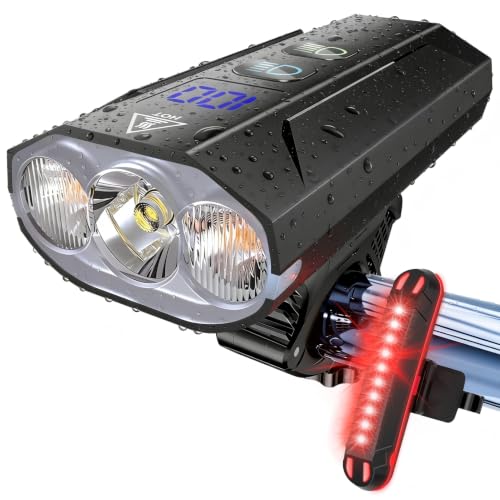
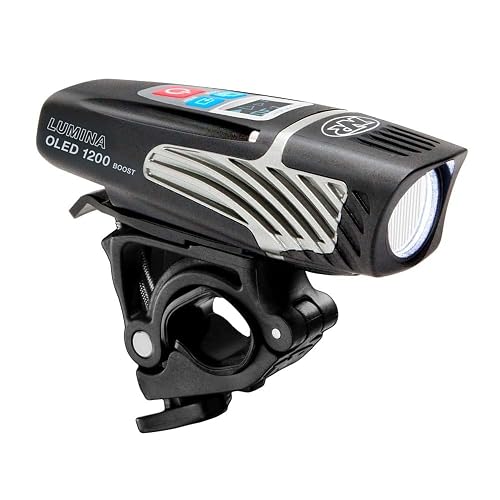
- Pair a face shield with other visibility gear. A bright helmet and front and rear lights help you be seen in traffic.
- When you want to compare the broader safety picture, our guide on Choosing a Bike Helmet: Standards, Fit and Care covers standards and sizing in more depth.
Recommended gear
A few supporting items make a face shield setup more practical on the road and trail.
- Microfiber lens cloths are the safest way to clean a shield without scratching it. View on Amazon
- Anti-fog lens treatment helps reduce condensation during humid rides and climbs. View on Amazon
- A protective lens bag or case keeps the shield from getting scratched in a backpack or on a rack. View on Amazon
FAQ
Is a bike helmet face shield required by law?
Laws vary by country, state, and locality. Most places require a helmet for certain riders, but few require a full face shield. Check local rules, especially for e-bikes and off-road riding, where requirements can differ.
Can I add a face shield to any bike helmet?
No. Compatibility depends on the helmet model’s shape and mounting points. Use only guards the manufacturer lists as compatible with your helmet.
Do face shields reduce visibility?
Clear, well-made shields have minimal impact on visibility. Heavily tinted or scratched lenses reduce it, especially in low light, so choose clear lenses for dawn, dusk, and night riding.
Will a face shield fog up?
It can, particularly in humid weather or during hard climbs. Good venting, anti-fog treatment, and keeping your breath directed away from the lens all help.
Are full-face helmets better than open-face helmets with a shield?
It depends on the riding. Full-face helmets offer more coverage for aggressive riding, while open-face designs with a shield may suit commuters who want more airflow and easier communication. Consider your terrain and conditions.
Can I wear glasses with a face shield?
Many riders do, but fit varies. Test the combination before a long ride to make sure the shield does not press on the frames or fog excessively.
How long does a face shield last?
There is no fixed lifespan. Replace it when scratches, cracks, or clouding affect your vision, or when the mounting hardware becomes loose or damaged.
Should I see a professional about helmet fit?
If you have a head shape that is hard to fit, or if you have had a crash, ask a qualified bike shop staff member to check the helmet and shield fit. For any injury, consult a medical professional.
Conclusion
A bike helmet face shield can meaningfully improve comfort and protection when it matches your riding conditions and fits correctly. Start by deciding what you need protection from, confirm compatibility, and test the fit before your first ride. Keep the lens clean with the right materials, and replace it when damage affects visibility.