 By Miles Sinclair
Updated November 2026
The Schwinn Thrasher bike helmet is a budget-friendly, general-purpose helmet aimed at recreational riders, kids and casual commuters who want a basic, certified head covering without paying for extras. It is best suited to people riding paved paths, neighborhood streets and easy trails at moderate speeds. Riders who want advanced rotational-impact systems, a very lightweight build for long road rides, or a full-face design for aggressive downhill mountain biking should look elsewhere. This review is based on the product’s listed specifications and patterns in owner feedback, not on hands-on testing.

Schwinn Thrasher Bike Helmet
Product Overview
The Schwinn Thrasher is a standard in-mold style bike helmet sold under the Schwinn name, a brand long associated with bicycles for riders of all ages. It falls into the category of everyday helmets rather than performance race or downhill models. The design is a traditional rounded shape with a hard outer shell bonded to an expanded polystyrene (EPS) liner, adjustable retention and vents to keep air moving across the head during warm-weather rides.
Helmets in this tier usually appeal to people who ride for transportation, fitness, family outings or occasional trail use. The Thrasher is positioned for those riders. If you are shopping for a helmet that will get regular use on a commute or with kids, its straightforward construction and familiar fit system make it an easy option to understand. Before buying, check the listing for the current size range and certification language, since these can vary by color and production run.
Because helmet labeling and packaging change over time, treat the listing as the final authority on sizes, colors and certification marks. Manufacturers specify the standards a helmet is tested against, and that information is printed on the helmet itself. Confirm it when the helmet arrives.
Key Features & Specifications
The table below lists the characteristics that are well established for this type of helmet and reflected in the product name and standard construction. Where a detail depends on the exact production batch, check the product listing or the label inside the helmet.
| Feature | What It Means for You |
|---|---|
| Helmet type | General-purpose bike helmet for recreational and commuter riding |
| Shell construction | Hard outer shell bonded to an EPS foam liner to absorb impact energy |
| Ventilation | Multiple vents to reduce heat buildup on warm rides |
| Fit system | Adjustable retention to tune fit to head circumference |
| Intended users | Adults and youth riders, depending on the size selected |
| Brand | Schwinn |
| Certification | Check the label inside the helmet for the standard it meets (commonly CPSC for US bicycle helmets) |
Pros & Cons
Pros
- Straightforward, familiar design that suits casual and everyday riding
- Adjustable fit system helps dial in a snug, stable feel
- Vented shell helps manage heat on mild-to-warm days
- Sensible choice for families buying for multiple riders
- Recognizable brand with a wide retail footprint for replacement and service questions
Cons
- Not positioned as a performance helmet for racing or aggressive trail riding
- Lacks advanced rotational-impact technology found in some premium models
- Limited color and style variation compared with specialty brands
- Sizing requires careful measurement; a poor fit undermines protection
- Heavier-feeling than minimalist road helmets, which may matter on long rides
Performance Analysis
Performance for a helmet like the Thrasher comes down to three things: how well it protects in a crash, how comfortable it is over time, and how well it stays put. Protection depends first on the certification the helmet meets and on the EPS liner’s ability to crush and absorb energy. Because the helmet is built around a conventional impact-absorbing liner, it fits the profile of a standard certified recreational helmet. Keep in mind that no helmet prevents all injury, and the protection a helmet gives is only as good as its fit and condition.
Comfort is where owner feedback for helmets in this class tends to focus. Common themes include how well the pads sit, whether the helmet runs warm on long climbs, and whether the retention strap rubs under the chin. Riders who wear glasses often note that the temple areas matter, and many report better results after adjusting the straps carefully. Heat management is generally adequate for casual speeds but will feel less airy than a dedicated road helmet with a large vent count.
Stability is a fit question more than a product question. A helmet should sit level on the forehead, roughly two finger-widths above the eyebrows, with side straps forming a V under each ear. The chin strap should allow one or two fingers to slide under it when fastened. If the helmet rocks forward, back or side to side when you shake your head, tighten the rear dial or check sizing before riding.
Durability is a consideration for any helmet. Manufacturers generally advise replacing a helmet after a significant impact, even if no damage is visible, because the foam may have compressed. They also recommend replacing helmets after a number of years of use or when they show cracks, deep scratches or a loose liner. Store the helmet away from prolonged direct sunlight and high heat, which can degrade materials over time.
Who Should Buy This Product?
The Schwinn Thrasher suits several types of riders:
- Casual and recreational riders who cycle on paths, neighborhood roads and gentle trails
- Parents looking for a dependable helmet for children learning to ride or riding with the family
- Commuters on low-speed city routes who want a no-frills, certified helmet
- Budget-minded buyers who want a recognizable brand without premium features
Some riders should skip it:
- Road racers and triathletes who need an aero or ultralight helmet
- Downhill and enduro mountain bikers who need full-face or extended-coverage protection
- E-bike riders at higher speeds who may want a helmet specifically rated for faster riding
- Riders with a head shape that does not fit standard round shells well, who may need to try several models in person
If you ride at high speed, on technical terrain, or in conditions where head impact risk is elevated, consult a bicycle shop professional or your local cycling safety resource to choose a helmet suited to that riding.
Buying Guide
Start with fit, because it matters more than any feature on a spec sheet. Measure your head by wrapping a flexible tape around the widest part of your head, about one inch above your eyebrows and ears. Compare the number to the size chart in the listing. If you fall between sizes, most manufacturers recommend the smaller size with the adjustment dial taking up the difference.
Next, confirm certification. Look for the label inside the helmet naming the standard it meets. For bicycle helmets sold in the United States, the Consumer Product Safety Commission standard is the baseline to look for. Some riders also seek helmets that carry additional certifications for specific uses.
Then consider how you ride. A commuter on a city street has different needs than a weekend mountain biker. Ventilation, weight, visor presence and coverage area all shift depending on terrain and speed. Choose the helmet for the riding you do most often.
If you want to compare options, here are three well-known alternatives worth reviewing alongside the Thrasher:
- Retrospec Dakota is a multi-use helmet designed for bikes, scooters, skating and similar activities, with a focus on adjustability and washable padding. Review the listing for certification and size details.

Men and Women, BMX, Electric Scooter, Longboard, Roller Skating, 10 Vents, ABS Shell, EPS Foam, Adjustable Fit, Washable Pads Retrospec Dakota Bike Helmet, EBike Helmet for Adults, Skateboard, Scooter
- Triple Eight Sweatsaver is a versatile helmet known in the action-sports community for its padding system and multi-sport use, including bike riding. Confirm the current certification and fit guidance on the listing.
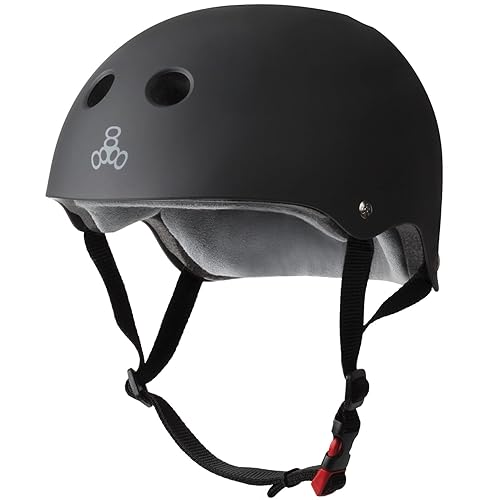
Triple Eight Certified Sweatsaver Helmet for Skateboarding, BMX, Roller Derby, Roller Skating, Inline Skating, Scooter and Bike
For more context on sizing and safety standards, see Bike Helmet Size Guide: How to Measure and Fit Your Helmet Right and Choosing a Bike Helmet: Standards, Fit and Care. If you ride with kids, Bike Safety Gear: Helmets, Lights, Locks, Visibility covers the rest of the basics.
FAQ
Is the Schwinn Thrasher bike helmet certified for safety?
Helmets sold for bicycle use in the US are expected to meet a recognized safety standard, and that information is printed on a label inside the helmet. Check the label on your specific unit to confirm the standard it meets, since listings may not always show every certification detail.
How do I know what size Schwinn Thrasher to buy?
Measure your head circumference about one inch above the eyebrows and ears, then match the number to the size chart on the listing. When you are between sizes, follow the manufacturer’s guidance, which usually points to the smaller size with the dial providing final adjustment.
Is this helmet good for kids?
It can be, provided you select the correct youth size for the child’s head. Adjust the fit so the helmet sits level, with the side straps meeting under the ears and the chin strap snug. Children should wear helmets on every ride, and a parent should check the fit regularly as the child grows.
Can I use it for mountain biking?
It is suitable for easy, casual trail riding, but it is not designed as a full-face or downhill helmet. For aggressive mountain biking, a helmet with extended rear coverage and a visor is generally the better choice.
How often should I replace the helmet?
Replace the helmet after any significant impact, even if no damage is visible, and replace it if you notice cracks, deep gouges, a loose liner or worn straps. Manufacturers also commonly recommend replacement after a set number of years, so check the guidance included with your helmet.
Does it work with glasses?
Many riders wear glasses with this type of helmet. Fit the helmet first, then put on your glasses to check for pressure points at the temples and whether the arms interfere with the straps. Adjusting the retention system often solves the problem.
How should I clean it?
Remove any removable pads and rinse them if the manufacturer allows it. Wipe the shell with mild soap and water and let everything air dry away from direct heat. Avoid harsh solvents, which can damage the shell and foam.
Can it be used for e-bike riding?
Riders on e-bikes often choose helmets that are rated for their speed range. If you ride faster than typical pedal-only speeds, confirm that the helmet’s certification suits that use, and consult a bicycle shop professional if you are unsure.
Final Verdict
The Schwinn Thrasher is a sensible, no-frills bike helmet for casual riders, families and everyday commuters who ride at moderate speeds. Its strengths are a familiar design, an adjustable fit system and a practical approach to ventilation, and it suits people who value a recognizable brand and straightforward protection over performance extras. It is less suited to racing, aggressive mountain biking or anyone who needs advanced features. Measure your head carefully, confirm the certification label, and check the fit on every ride.
Related reading
- Women's Helmet for Bike: 5 Best Picks for Women Riders (2026)
- Time Trial Bike Helmet Compared: 7 Best Aero Picks for Racing (2026)
About Miles Sinclair
Miles Sinclair is part of our editorial team and reviews and edits our bike accessories guides, checking product details against manufacturer specifications and owner feedback.