 By Miles Sinclair
Updated November 2026
An adaptor for bike pump use lets you connect your pump head to a valve type it wasn’t built for, or helps you seal a connection that keeps leaking air. In this guide you’ll learn how to identify your valve type, pick the correct adaptor, attach it without losing pressure, and avoid the mistakes that waste time on the roadside. Most riders only need a basic understanding of valves, but a few minutes of checking can save you from a flat that refuses to hold air.
Why You Might Need an Adaptor for Bike Pump Connections
Bicycle tires use one of three common valve types, and most floor pumps and mini pumps are designed around one or two of them. The mismatch is the most frequent reason riders go looking for an adaptor for bike pump heads. Here is what you’re likely to run into:
Shopping for one? See our guide: Back Trails Bike Pump: 6 Best Picks for Trail Riders (2026).
- Presta valves are slim, usually about 6 mm in diameter, and have a small locking nut at the tip. They’re common on road bikes, performance hybrids and many tubeless setups.
- Schrader valves look like car tire valves, with a wider stem of roughly 8 mm and a spring-loaded core. They’re standard on most mountain bikes, cruisers, kids’ bikes and many commuters.
- Dunlop (Woods) valves are less common in the US but still show up on older European-style bikes. They’re thin like Presta but have no removable core and no locking nut.
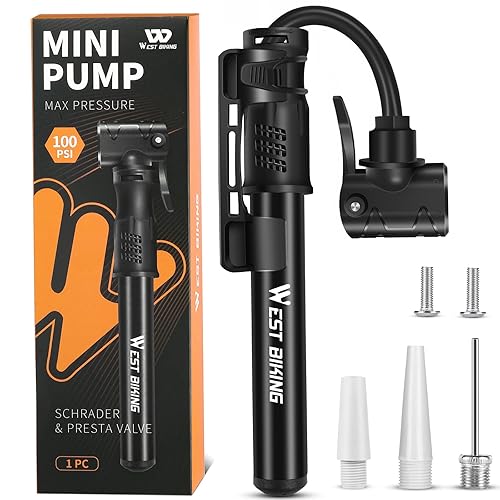
Some pumps include a dual-head design that switches between Presta and Schrader without any extra part. Others ship with a single head and expect you to buy an adaptor separately. Knowing which type you have before buying anything is the first step. We also found Best 30 Mini Bike Pumps for Road and Trail useful on this point.
Step 1: Identify Your Valve Type
Check your valve before you touch the pump. The difference is easy to spot once you know what to look for.
- Look at the valve stem diameter. A Presta valve is narrow, a Schrader is noticeably wider.
- On a Presta, look for a small knurled nut near the tip. Unscrew it slightly and you’ll see the valve body. Presta valves usually have a pin at the very top.
- On a Schrader, look for a small pin in the center of the stem. This is the spring-loaded core that opens when you press on it.
- If the valve is very thin with no nut and no core you can remove, it’s likely Dunlop.
When you’re unsure, check the rim of the tire or the sidewall for pressure markings and valve notes. Many manufacturers print valve type on the rim tape or in the owner’s manual.
Step 2: Match the Adaptor to Your Pump Head and Valve
An adaptor for bike pump use generally falls into one of several categories. Matching the right category to your pump head and valve avoids most connection trouble.
Common adaptor types
| Adaptor type | Converts | Typical use |
|---|---|---|
| Presta to Schrader | Schrader pump head to Presta valve | Riding a road bike with a Schrader-only pump |
| Schrader to Presta | Presta pump head to Schrader valve | Topping up a car or mountain bike tire with a road pump |
| Dunlop to Presta | Presta head to Dunlop valve | Older European bikes |
| Chuck extender or long hose adaptor | Extends reach to hard-to-reach valves | Deep rims or tight wheel clearances |
Before buying, confirm the adaptor’s thread size and head shape match your pump. Many floor pumps use a standard chuck, but some mini pumps have proprietary connectors. Manufacturers usually list compatible valve types in the product description, so read that carefully.
Choosing between a loose adaptor and a fixed head
A loose adaptor is a small separate piece you thread or press onto the valve. A fixed head is built into the pump and rotates or flips to change valve type. Loose adaptors are cheap and easy to lose. Fixed heads are more convenient but cost more and can be harder to repair. Riders who ride one bike consistently often do fine with a single loose adaptor kept in a saddle bag.
Step 3: Attach the Adaptor Correctly
A poor connection is the most common complaint about any adaptor for bike pump use. Air leaks are usually caused by a few predictable problems, and each has a simple fix.
- Seat the adaptor fully. Push it straight onto the valve and make sure it sits flush. A tilted adaptor will leak.
- Lock Presta valves. If your pump has a locking lever, close it firmly. For a Presta with a nut, unscrew the nut to free the valve body, then tighten the adaptor against it.
- Check the valve core. On Schrader valves, a loose core can make the tire seem to lose air. Use a valve core tool to snug it, but don’t overtighten.
- Hold the pump steady. Keep the pump head perpendicular to the valve while you pump. Side pressure can break the seal.
Checking for leaks
After inflating, remove the pump and listen. A hiss means air is escaping at the valve or the adaptor joint. Spray or dab a little soapy water around the connection. Bubbles show the leak point. If the valve core is the problem, tighten it. If the adaptor is cracked or the rubber seal is worn, replace it.
Step 4: Inflate to the Correct Pressure
Once the connection is solid, inflate slowly and check the gauge if your pump has one. Manufacturers print a recommended pressure range on the tire sidewall, usually in PSI, sometimes in bar. Stay within that range. Overinflating can damage a tire or blow it off the rim, while underinflating increases pinch flat risk.
If you’re using an adaptor on a mountain bike or a tubeless setup, work in smaller increments. Seating tubeless beads may need a burst of air above normal pressure, so follow your tire maker’s guidance for that step.
Step 5: Remove the Adaptor Without Losing Air
Disconnect with a straight pull rather than twisting. For a Presta, close the valve lever first, then lift the head off. For a Schrader, pull the head cleanly so the spring core doesn’t stick open. Replace any valve caps you removed. Caps keep grit out of the valve and add a second seal.
Common Mistakes to Avoid
- Buying an adaptor without checking the valve type first.
- Forcing a connection at an angle, which can strip a Presta nut or bend a valve stem.
- Leaving the valve core loose after using a Schrader adaptor.
- Losing the adaptor on the road. Keep it with your pump or tube kit.
- Ignoring a hiss. A small leak at the connection can empty a tire over a few hours.
- Inflating beyond the sidewall maximum because the gauge reads low.
Tips for Riders Who Switch Valve Types
If you own a bike with Presta valves and a car or mountain bike with Schrader valves, keep both adaptor types in the same pouch. Label them with a dot of paint or a strip of tape so you can grab the right one quickly. Riders who travel often should also carry a valve core tool and a spare core, since a loose or damaged core is a frequent cause of slow leaks. For tubeless users, a dedicated inflation tool with a large air volume may be easier than a small adaptor. Our article on Presta Valve Bike Pump Adapter Review: Key Features Explained covers features to look for in more depth.
Recommended gear
A few items make adaptor use easier and more reliable:
- Presta to Schrader adaptor: A small aluminum or brass adaptor lets a Schrader-only pump fill a Presta valve. Look for one with a replaceable seal. View on Amazon
- Valve core tool: Tightens or replaces Schrader cores that can loosen over time. View on Amazon
- Dual-head floor pump: A pump with both Presta and Schrader heads removes the need for an adaptor altogether. View on Amazon
- Valve cap set: Keeps grit out of both valve types and adds a backup seal. View on Amazon
For more pump options, see Bike Floor Pump with Pressure Gauge: 6 Best Picks for Every Rider and Bike Pumps and Tire Pressure: Getting It Right.
FAQ
Can I use one adaptor for both Presta and Schrader valves?
No. A standard adaptor converts one specific direction. Presta to Schrader and Schrader to Presta are separate parts, though some dual-head pumps avoid the need for either.
Why does my tire keep losing air after I use an adaptor?
The most likely causes are a loose valve core, an improperly seated adaptor, or a worn rubber seal. Test the connection with soapy water and tighten or replace the faulty part.
Do I need an adaptor for a Dunlop valve?
Often yes, because most pump heads don’t fit Dunlop valves directly. Some riders use a Presta head with a small adapter, but check compatibility first since fit varies.
Can an adaptor damage my valve?
It can if forced at an angle or tightened too hard. Presta valve bodies are fragile, so press straight on and tighten gently.
Is it safe to inflate a car tire with a bike pump and adaptor?
It’s possible for small top-ups, but bike pumps aren’t built for high volumes or pressures. For details on the trade-offs, read Bike Pump vs Car Tire Inflator: Can You Pump Car Tires with Bike Pump? (2026). If you’re unsure about tire safety, consult a bike shop or tire professional.
How do I know the right tire pressure?
Check the range printed on the sidewall. Pressure depends on tire width, rider weight and terrain, so start within the range and adjust to your comfort and traction needs.
Should I buy a fixed-head pump or a loose adaptor?
If you only use one valve type, a loose adaptor is usually enough. If you ride several bikes with different valves, a dual-head pump saves time and reduces the chance of losing a small part.
What if my pump doesn’t seal on any valve?
Check the pump’s internal seal and hose for cracks or wear. If the problem persists, the pump may need repair or replacement, and a bike shop can usually advise on parts.
Conclusion
An adaptor for bike pump use is simple once you know your valve type. Identify whether you have Presta, Schrader or Dunlop, choose a matching adaptor or dual-head pump, and seat it squarely. Check for leaks after inflating and keep spare parts with you on rides. A few minutes of preparation will keep your tires holding air.
Related reading
- Topeak Joe Blow Sport Iii Bike Pump: A Practical Guide (2026)
- Top 7 Pump Air Bike Tire Options for Every Rider
Ready to choose one?
About Miles Sinclair
Miles Sinclair is part of our editorial team and reviews and edits our bike accessories guides, checking product details against manufacturer specifications and owner feedback.