 By Miles Sinclair
Updated November 2026
If your bike has skinny valves with a small threaded tip, you are riding presta, and a bike tyre pump presta head is the right tool for the job. A dedicated presta-compatible floor pump or handheld pump is the better pick for road bikes and most commuter setups, where tyres run high pressures and the valve is the thin, French-style type. A pump with a dual-head design, which handles both presta and Schrader, suits riders who share bikes, travel with a pump or own a mix of bikes with different valve types.
Presta vs Schrader: Quick Comparison Table
| Criterion | Presta-only pump | Dual-head presta/Schrader pump |
|---|---|---|
| Valve compatibility | Presta only | Presta and Schrader |
| Head design | Narrow, fixed presta head or rotating collar | Switchable or dual-sized head |
| Typical use | Road, gravel and high-pressure tyres | Mixed fleets, family use, car tyres |
| Pressure range | Often 100 psi and above on floor models | Often 100 psi and above on floor models |
| Gauge accuracy | Usually built into floor pumps | Usually built into floor pumps |
| Ease of use on fine valves | Strong, since head is built for presta | Good, but depends on head fit |
| Portability | Mini and handheld versions available | Mostly floor or frame-mounted designs |
Head Design and Valve Fit
The biggest difference between these two options is the head. A presta-only pump is built around the thin valve stem, so the seal is tight and the fit is precise. Many presta heads have a small lever or collar that locks onto the valve, and the rubber seal inside is sized for the narrower stem.
A dual-head pump usually has one head that flips or rotates to match either valve type. The presta side is often slightly less snug than a dedicated presta head, because the design has to accommodate both stems. Owners often report that it works well once they learn the trick, which is to open the presta valve tip a half turn before attaching the head and to close it again before disconnecting.
Winner: Presta-only pump, for the cleanest seal on thin valves.
Pressure Range and Performance
Road tyres commonly run between about 80 and 120 psi, depending on tyre width and rider weight. Many manufacturers list the maximum tyre pressure printed on the sidewall, and that number is the ceiling you should not exceed. Look for a pump rated above that figure, because a pump that tops out at its limit will struggle to reach it with a small-volume tyre.
Both pump types can reach road pressures when built as floor pumps. Presta-only floor pumps are often designed for high-pressure output, and their narrower bore can help you hit higher numbers quickly. Dual-head floor pumps perform well too, though some models trade a little top-end pressure for versatility.
Winner: Presta-only pump for high-pressure road tyres. For mountain or commuter tyres run at lower pressure, both types perform comparably.
Gauge Accuracy and Readability
A gauge makes a real difference when you are chasing a specific pressure. Pumps with a clear, large dial are easier to read while you are bent over the wheel. Digital gauges show the number directly, which many riders find helpful when adjusting tyres by one or two psi.
Gauge accuracy varies by model, and no gauge replaces a reliable separate check. Owners often report that a pump gauge drifts over time, so a quick cross-check with a second gauge is a sensible habit if pressure matters for your ride. Consult your pump manufacturer’s manual for calibration information.
Winner: Presta-only pump in most floor pump lineups, since gauge-equipped models are common in that category. Dual-head models with gauges perform equally well when the gauge is clearly marked.
Portability and Packing Size
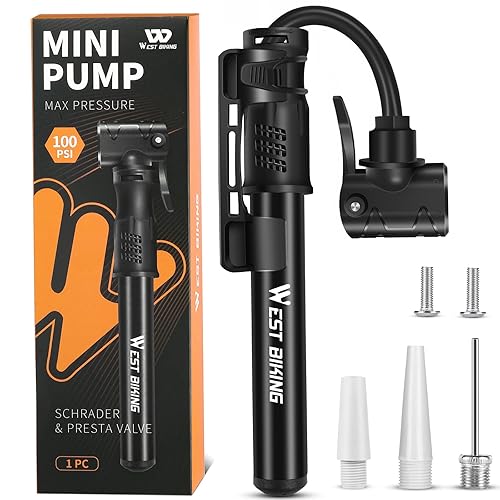
Handheld and mini presta pumps are compact enough for a saddle bag or jersey pocket. They are slower and need more effort to reach high pressure, but for emergency top-ups and trail repairs they are practical. Frame-mounted and small hybrid pumps sit between these options.
Dual-head pumps tend to be floor-style and larger, because the extra head mechanism adds bulk. If you commute with a pump in a bag, check the length and weight before you buy. You can find a range of compact choices in our guide to handheld bike pumps, and the roundup of 6 Best Handheld Bike Pumps for Road and Trail Riders (2026) covers several strong options.
Winner: Presta-only mini or handheld pump for carrying on the bike. Dual-head pumps win only for home or shop use.
Ease of Use and Learning Curve
A presta-only pump is straightforward. Remove the valve cap, unscrew the valve tip, seat the head firmly, and pump. Most riders get the hang of it within a few tyres.
Dual-head pumps add a step: you set the head to the right valve type before you start. Once that becomes routine, the switch is quick. Riders who swap between bikes often find the flexibility worth the small extra habit.
For a deeper look at how presta valves behave under pressure, the article Presta Valve Bike Pump Adapter Review: Key Features Explained explains the adapter options that some riders use to bridge the two valve types.
Winner: Presta-only pump for simplicity. Dual-head pumps win when you need both valve types regularly.
Durability and Build Quality
Pumps built for presta often use metal heads and sturdy hoses, which hold up well to repeated use. Dual-head designs have more moving parts, which means more places for wear. Check the head mechanism before buying and look for replaceable seals, since those are the parts that wear first.
Pump barrels in the floor-pump category generally last for years of home use. Owners often report that the head seal is the first thing to need replacing, and that most manufacturers sell replacement seals separately.
Winner: Presta-only pump, for simpler construction. Dual-head pumps are still durable when they are maintained properly.
Which Should You Choose?
- Road cyclist on presta tyres: A presta-only floor pump with a clear gauge gives the cleanest seal and the best high-pressure performance.
- Mountain or gravel rider: A presta-only floor pump is still the top choice at home, and a mini presta pump works well as a trail backup.
- Commuter with one bike: A presta-only pump fits the job, especially a compact model if you need to store it at work or in a flat.
- Household with mixed bikes: A dual-head presta/Schrader pump covers every bike and can also handle some car and kids’ bike tyres.
- Frequent traveller: A small, handheld presta pump is easy to pack, and a dual-head mini pump helps if you borrow bikes.
- Budget-minded rider: A basic presta-only floor pump provides good value for home maintenance, while a dual-head model suits riders who want one pump for everything.
Recommended Options
Each of these options fits a different type of rider. Choose based on your valve type, storage space and how often you ride.
Presta-only floor pump: View on Amazon
Dual-head presta/Schrader floor pump: View on Amazon
For more buying advice, see 5 Best Bike Tyre Air Pumps for Road, Trail and Commuter Riders (2026) and Bike Floor Pump with Pressure Gauge: 6 Best Picks for Every Rider.
FAQ
Can a presta pump fill a Schrader valve?
Not directly. The presta head is sized for the thin stem and will not seal on a Schrader valve. You need either a dual-head pump or a separate adapter.
How do I know if my bike has presta valves?
Presta valves are thinner than Schrader valves and have a small threaded tip that you unscrew before inflating. Schrader valves look like car valves and are wider.
What pressure should I run in road tyres?
Check the maximum pressure printed on the sidewall and stay within the range the tyre manufacturer specifies. Most road tyres fall roughly between 80 and 120 psi, but the correct number depends on tyre width and rider weight.
Do I need a gauge on my pump?
A gauge helps you hit a target pressure consistently. Without one, it is easy to over- or under-inflate. Owners often report that a gauge makes regular maintenance much easier.
Is a mini pump good enough for road riding?
A mini pump works for emergency top-ups and roadside repairs, but it takes more effort and can be slow to reach high pressure. A floor pump remains the better choice for home maintenance.
Conclusion
For most riders with presta tyres, a presta-only pump is the cleanest and most reliable option. Road riders benefit most from a floor model with a clear gauge, while trail and commuter riders gain the most from pairing a home pump with a compact backup. If you share bikes or own a mix of valve types, a dual-head pump is a practical choice. Whichever you pick, check the maximum tyre pressure on your sidewall and keep your tyres inflated to the right level for safe, comfortable riding.
Related reading
About Miles Sinclair
Miles Sinclair is part of our editorial team and reviews and edits our bike accessories guides, checking product details against manufacturer specifications and owner feedback.