As an Amazon Associate I earn from qualifying purchases. This page may contain affiliate links.
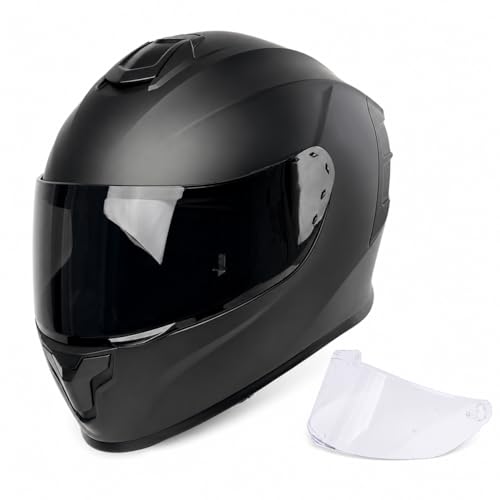
A bike helmet for winter needs to do two jobs at once: protect your head in a crash and keep you warm enough to ride safely. This guide walks you through how to judge a cold-weather helmet, how to fit it over or under the layers you actually wear, and how to avoid the common mistakes that leave riders chilly, distracted or unprotected. By the end, you should know what features matter, how to test fit before a ride, and how to keep the helmet in good shape through the season.
Start With the Safety Standard, Not the Warmth Features
Any helmet you buy for winter should carry a current certification label from a recognized standard. In the United States, look for the CPSC mark, which is the federal requirement for bicycle helmets. Many helmets also carry a voluntary certification such as ASTM F1447 or CE EN 1078 in Europe. Certification means the helmet passed impact testing when new, and that remains the baseline for everything else on this list. For a fuller explanation of standards and fit, see Choosing a Bike Helmet: Standards, Fit and Care.
Shopping for one? See our guide: Bag for Foldable Bike: 10 Best Picks for Commuters and Travelers (2026).
Once you confirm the label, you can focus on cold-weather features. A helmet with great insulation but no certification is not a winter helmet worth wearing.
Decide Between a Dedicated Winter Helmet and a Layered Setup
Riders in cold climates usually take one of two approaches. The first is a dedicated winter or “cold-weather” helmet, which typically has a smaller number of vents, closable vents, or a fabric cover that blocks wind. The second is a standard three-season helmet worn with a thin skull cap or a winter cap underneath. Both work. The right choice depends on how cold your typical ride gets and how much you tend to sweat.
- Mild cold (roughly 40 to 55°F): A standard helmet with a thin skull cap or a light headband is usually enough.
- Cold (roughly 25 to 40°F): A helmet with closable vents, or a snug cover over a helmet, plus a thin liner.
- Very cold (below about 25°F): A dedicated winter helmet or cover, a fitted balaclava or hat, and wind-blocking gear around the ears and neck.
These temperature bands are rough guides. Wind chill, humidity and how hard you ride matter as much as the thermometer reading.
Check Fit With the Layers You Will Actually Wear
A helmet that fits well in July can feel loose or tight in January. The usual test is to adjust the retention system so the helmet sits level on your head, about two finger widths above your eyebrows, with the side straps forming a V under each ear. Then tighten the dial until the helmet feels snug without pressure points.
Steps for a winter fit check
- Put on the thin liner or skull cap you plan to ride with, and any thermal cap or balaclava you may add.
- Set the helmet over the layers and adjust the internal dial until it sits snugly.
- Shake your head side to side and front to back. The helmet should not rock or slide forward over your eyes.
- Check that the straps do not pinch at the ears or cross awkwardly under the jaw.
- Note the fit with the thick layers, then remove one layer and check again so you know how much room you have.
If the helmet fits only with a thick hat, it will probably feel too loose on warm days. Adjust the internal dial rather than relying on bulky layers to take up space.
Look for Ventilation You Can Close
Winter riding often means sweating under layers and then getting chilled when you stop. Vents that open and close are useful because they let you manage heat during a climb and seal out wind on a descent. Some helmets include foam or fabric covers that block the vents completely. Others rely on a removable insert.
Ventilation affects comfort as much as warmth. If you can feel cold air hitting your scalp at speed, a vent cover or a thin liner usually fixes it without changing the helmet.
Consider Visibility Features
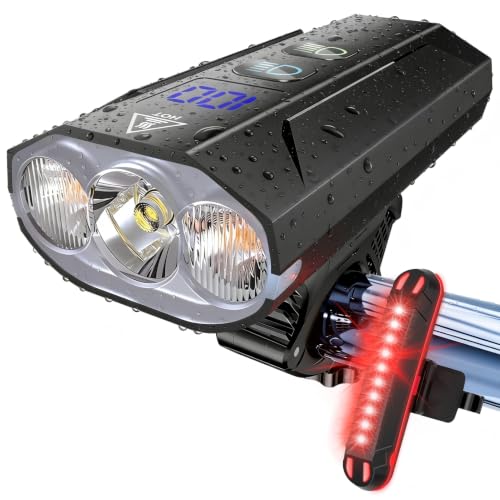
Short daylight hours and low winter sun make visibility a bigger concern. Some helmets come with built-in rear lights or reflective panels. Others leave room for a clip-on light. A helmet light placed at the back of the head is useful because it sits at roughly the same height as a driver’s line of sight, and the light moves when you turn your head. Pair it with a steady rear bike light, which is covered in Bike Lights for Night Riding: Front, Rear and the Law.
Reflective details on the helmet cover, jacket and shoes add to visibility on gray or dark days. Choose bright colors where possible.
Plan for Goggles, Glasses and Wind Protection
Winter helmets often need to share space with eyewear. Check that the helmet’s brim or visor does not push your goggles down onto your nose, and that the goggles do not gap at the top when you look down. Clear or low-light lenses work well in winter because the days are shorter and dim light is common.
A neck gaiter or balaclava is more effective when it sits under the helmet strap and covers the ears. The helmet should still sit flat on the head with the balaclava in place.
Recommended gear
A few items can make a winter helmet setup work better. These are general product types rather than endorsements of any single model.
- Thin merino or synthetic skull cap: Wicks sweat and adds a little warmth without bulk, so it fits under most helmets. View on Amazon
- Helmet cover designed for cold weather: A fabric or fleece shell that fits over the helmet and blocks wind through the vents. View on Amazon
- Clip-on helmet rear light: Adds visibility when your helmet does not have one built in. View on Amazon
- Anti-fog cycling goggles with a vented lens: Helps keep your view clear when humidity and cold air meet at the lens. View on Amazon
Common mistakes
- Buying a helmet one size up to fit a hat. A loose helmet can shift in a crash and does not protect as intended. Use a thin liner instead.
- Leaving all vents open in cold wind. You will lose heat quickly on descents. Close vents or add a cover.
- Ignoring the strap position. A strap that sits too high or too low under the ear can cause discomfort and reduce retention.
- Forgetting visibility. Dark clothing and short days make riders hard to see. Add lights and reflectors.
- Keeping a sweaty helmet in a cold bag. Moisture can freeze inside the helmet or damage the liner. Let it dry at room temperature.
Tips for winter helmet care
- Remove the liner pads and wash them by hand with mild soap, then air dry them fully.
- Wipe the shell with a damp cloth and avoid harsh solvents.
- Store the helmet indoors, away from direct heat sources such as radiators, which can weaken the foam.
- Replace the helmet after a crash, even if you see no visible damage, and consider replacement after several years of regular use as the manufacturer advises.
Know When to Replace the Helmet
Most manufacturers recommend replacing a helmet after a significant impact, even when the shell looks intact, because the internal foam is designed to compress once. Check the manufacturer’s guidance for replacement intervals, since foam and materials age differently across brands. If the shell cracks, the straps fray, or the retention dial stops holding, replace the helmet. A cracked or loose helmet is not safe regardless of how good it looks.
FAQ
Can I wear a regular hat under a bike helmet?
You can, but a thick hat can make the helmet sit too high or too loose. A thin skull cap or liner is usually a better choice. Re-check the fit whenever you change layers.
Do I need a special helmet for winter cycling?
Not always. A standard certified helmet with a liner or cover can work in mild to cold conditions. A dedicated winter helmet is more useful in very cold, windy climates.
Are helmet covers safe to use?
A cover that fits properly and does not block the helmet’s fit system is generally fine. Make sure it does not cover any built-in light or reflective panel, and check that the straps still sit correctly.
How do I stop my goggles from fogging with the helmet on?
Choose goggles with vented or anti-fog lenses, and make sure the helmet brim does not trap warm, moist air against the lens. Wearing a neck gaiter that you can pull up when stopped can also help.
Should I replace my helmet after a crash?
Yes. Replace it after any significant impact, even if the outside looks undamaged, because the protective foam may have compressed and lost its ability to absorb a second impact.
Can I wash the helmet liner in a washing machine?
Most manufacturers recommend hand washing liner pads with mild soap and air drying them. Check the care label or manual for your specific model before washing.
Does a winter helmet need extra visibility features?
Short daylight and low light make visibility important all year in winter. Built-in or clip-on rear lights and reflective details help, and they matter more than the helmet’s warmth in many commuting situations. For a fuller setup, see Bike Safety Gear: Helmets, Lights, Locks, Visibility.
Conclusion
A good bike helmet for winter is a certified helmet that fits snugly over the layers you actually ride in, with vents you can close and visibility features that keep you seen. Check the fit with your liner or cover on, adjust the retention system rather than relying on bulky hats, and plan for goggles and wind protection. Replace the helmet after a crash and care for the liner so it stays comfortable through the season.